© Henriette Seydel
01.07.2026
“We Did Not Want to Tell a Single Truth”
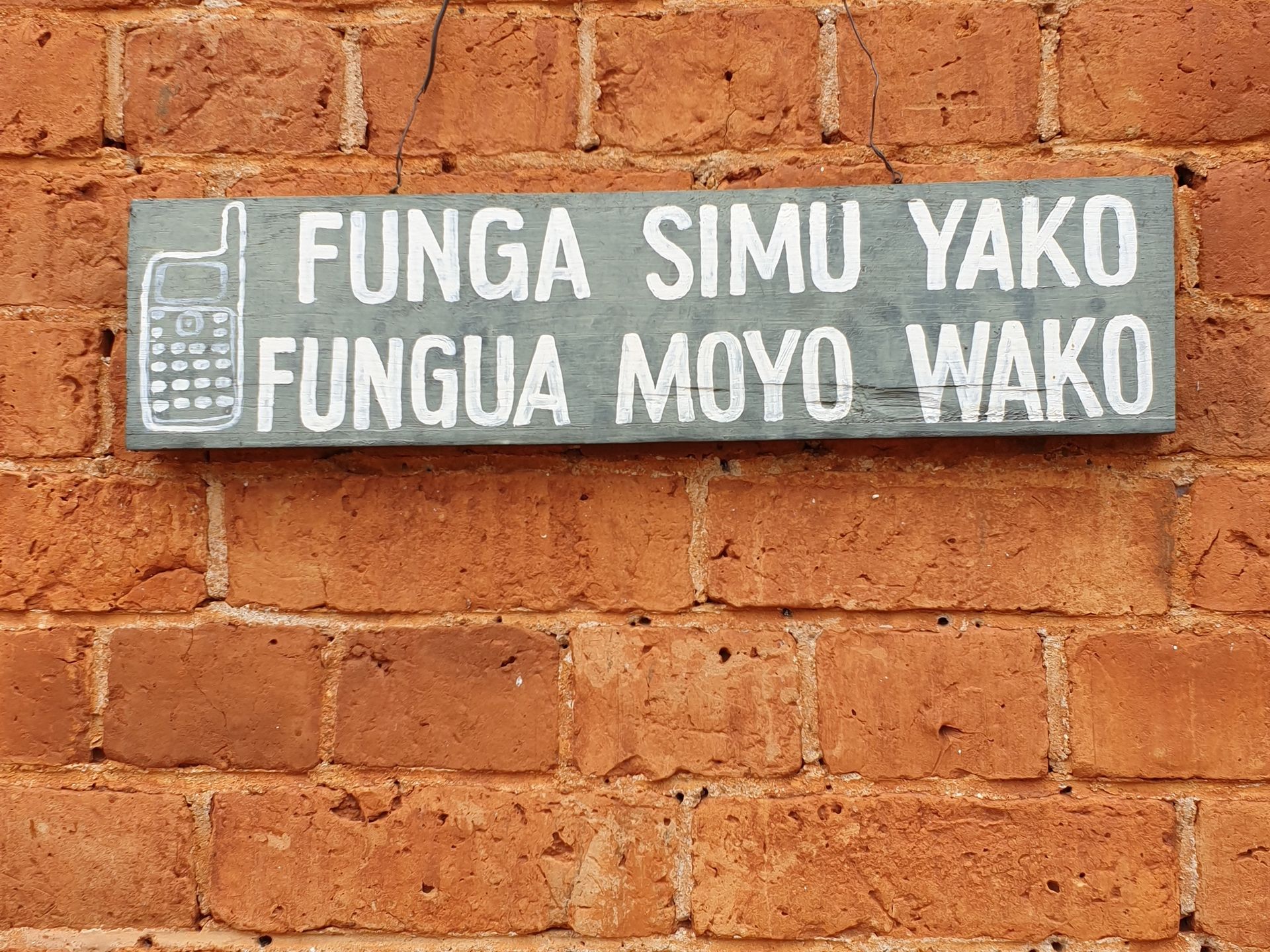
The “Decolonial Travel Guide Tanzania” centres local perspectives and presents travel as a shared learning process.
Mehr lesen

Anyone planning a trip today can access an almost overwhelming amount of information within minutes. Search engines, review platforms, videos, travel blogs, podcasts and, increasingly, AI chatbots provide inspiration, planning support, practical recommendations and booking options. Yet traditional printed guidebooks are far from obsolete. Although sales of travel books declined by around 8 per cent in 2024 compared with the previous year, the continuous publication of new and updated editions by major travel publishers and specialist presses suggests that print continues to play an important role in travel planning.
What all these sources have in common is that they communicate knowledge about destinations, shape images and tell stories. These representations, however, are rarely objective or neutral. In many cases, they reflect an outsider’s perspective. In this summer edition, we therefore explore different forms of knowledge production in tourism across both print and digital media and ask what responsibilities come with shaping travel information.
Henriette Seydel and Bernard Ntahondi discuss, in their interview on the “Decolonial Travel Guide Tanzania”, how local perspectives can be better integrated into travel content and why multilingualism plays a key role. Melanie Uth from the University of Potsdam examines how travel guidebooks shape ideas of what is worth seeing and how destinations, cultural heritage sites and landscapes are framed according to their tourism appeal.
Turning to social media, Lea Thin analyses how platforms such as Instagram and TikTok shape travellers’ expectations and examines the impacts of social media travel trends on destinations and local communities. Finally, Claudia Mitteneder and Susanne Eigermeier explore how the role of tour guides is evolving in the digital age and why personal guidance remains indispensable for understanding destinations and their social contexts.
The “Decolonial Travel Guide Tanzania” centres local perspectives and presents travel as a shared learning process.
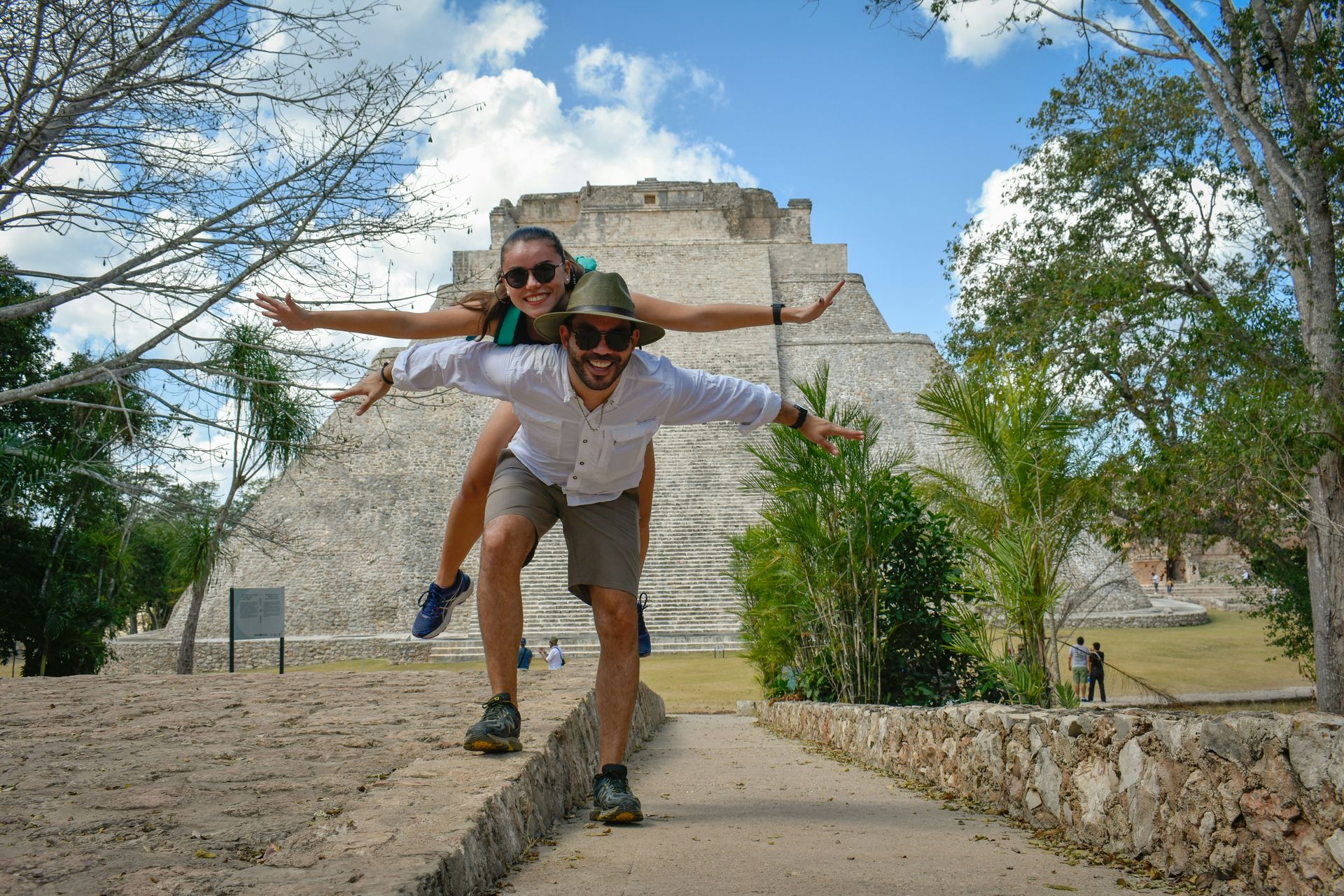
Travel guidebooks shape what is considered worth seeing – often overlooking the lives and perspectives of local communities.
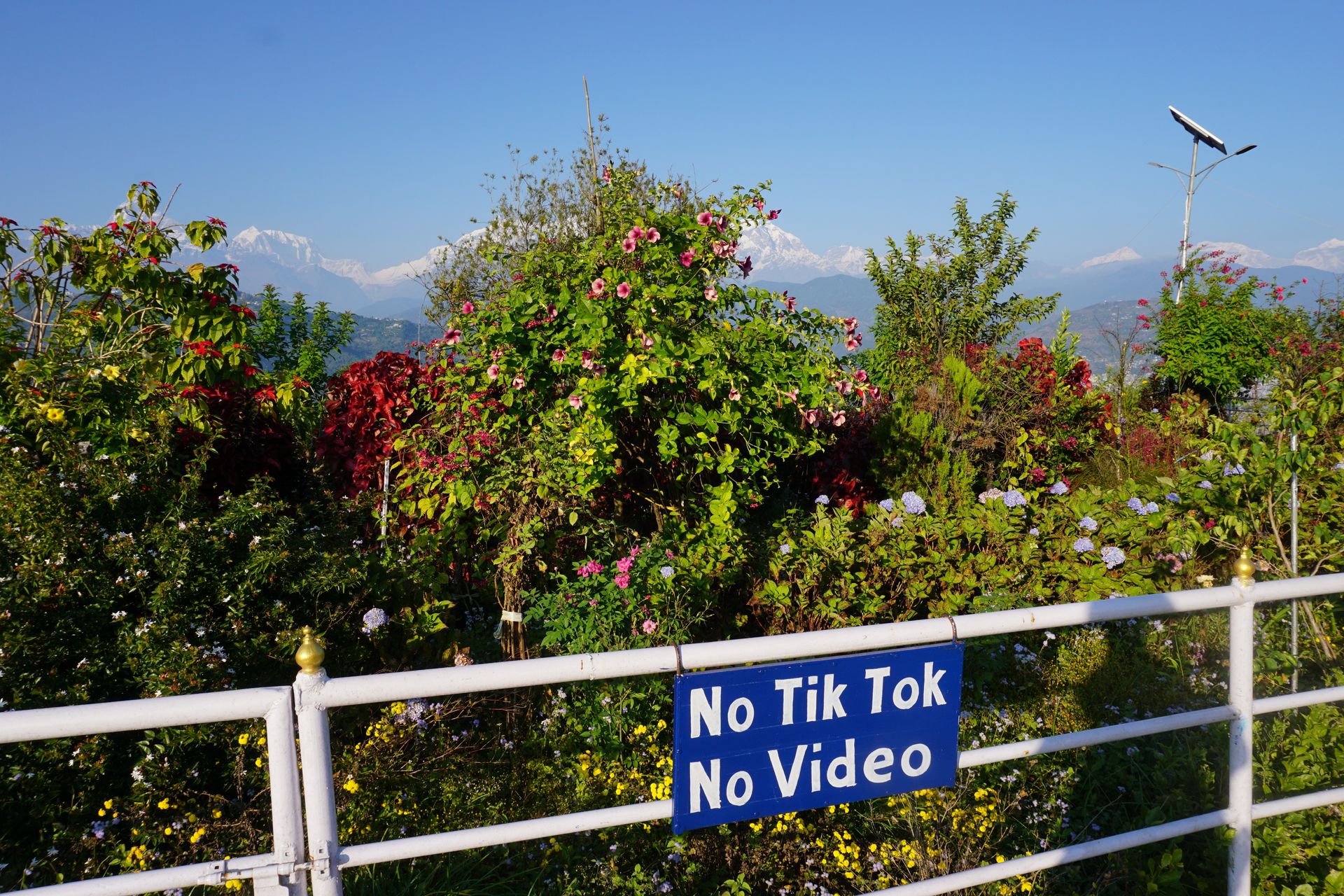
Social media shapes travel decisions, puts destinations in the spotlight, but can also reinforce overtourism and stereotypical portrayals.
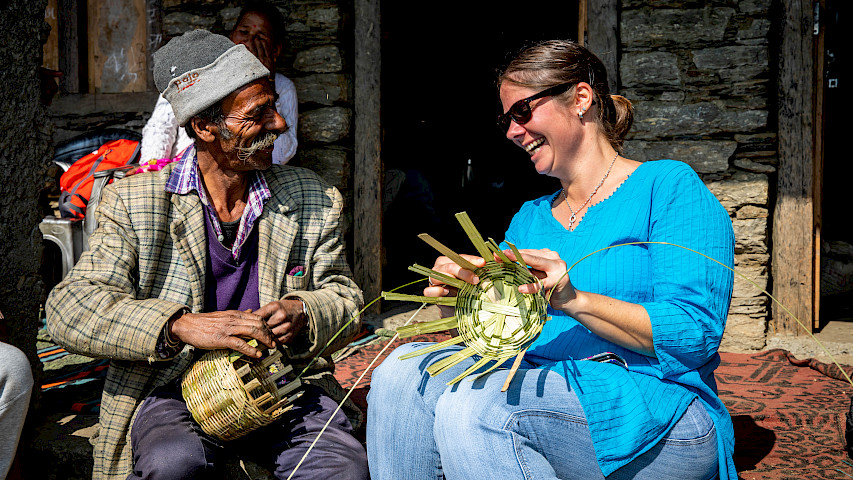
Digital travel guides make it easier to navigate destinations, but local knowledge often becomes accessible only through personal encounters.
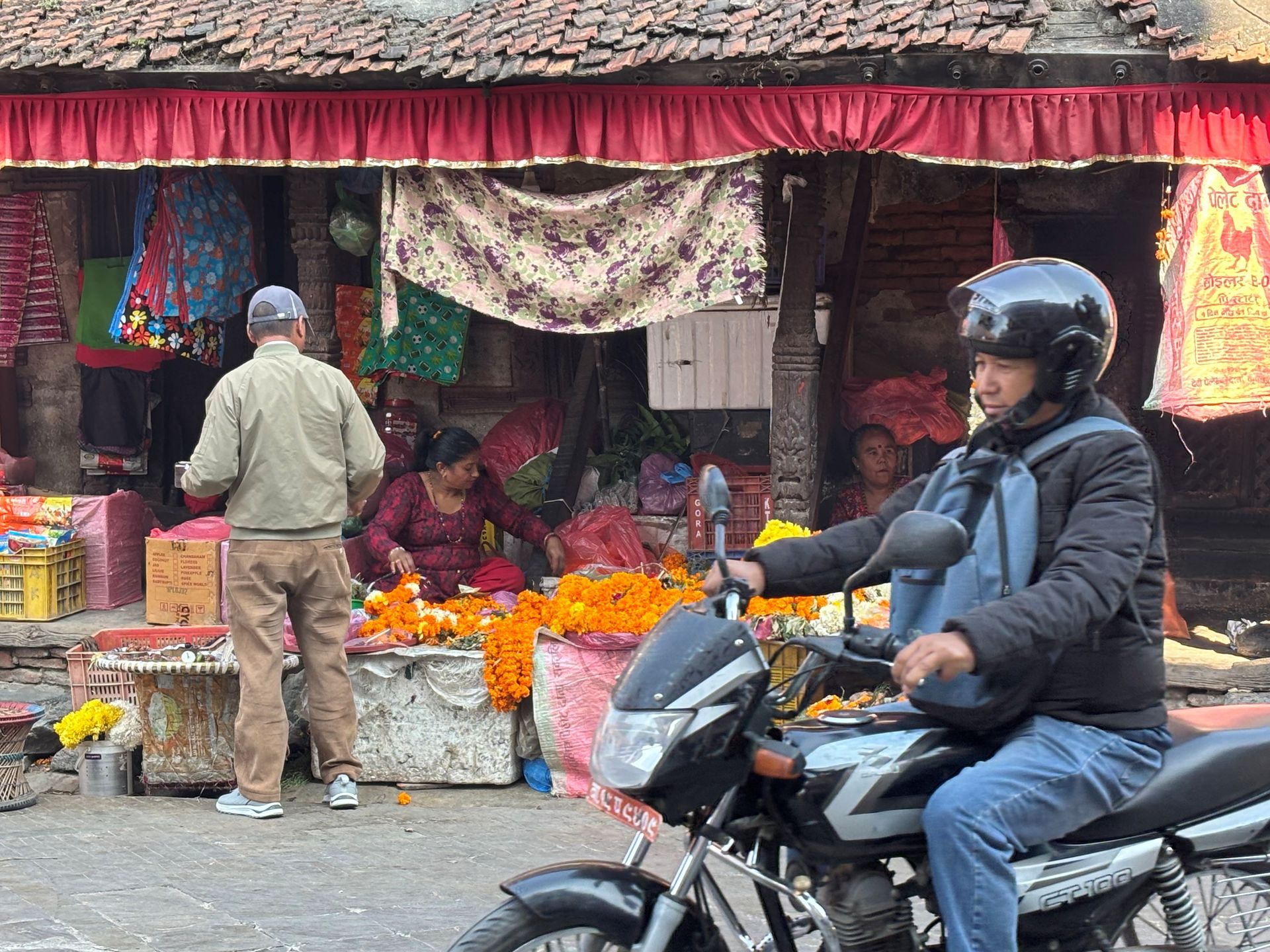
Study: Perceptions of home influence how travellers view destinations – and which places they find most attractive.
Applications for the TO DO Award 2027 are open until 31 July 2026. The award recognises tourism initiatives involving local communities.