Tourism, Land Grabs and Displacement
In the interview, Prof. Andreas Neef shares the results of his new study. He analyzed 25 cases of tourism-related land grabbing and displacement in the Global South on behalf of Tourism Watch.

In the interview, Prof. Andreas Neef shares the results of his new study. He analyzed 25 cases of tourism-related land grabbing and displacement in the Global South on behalf of Tourism Watch.

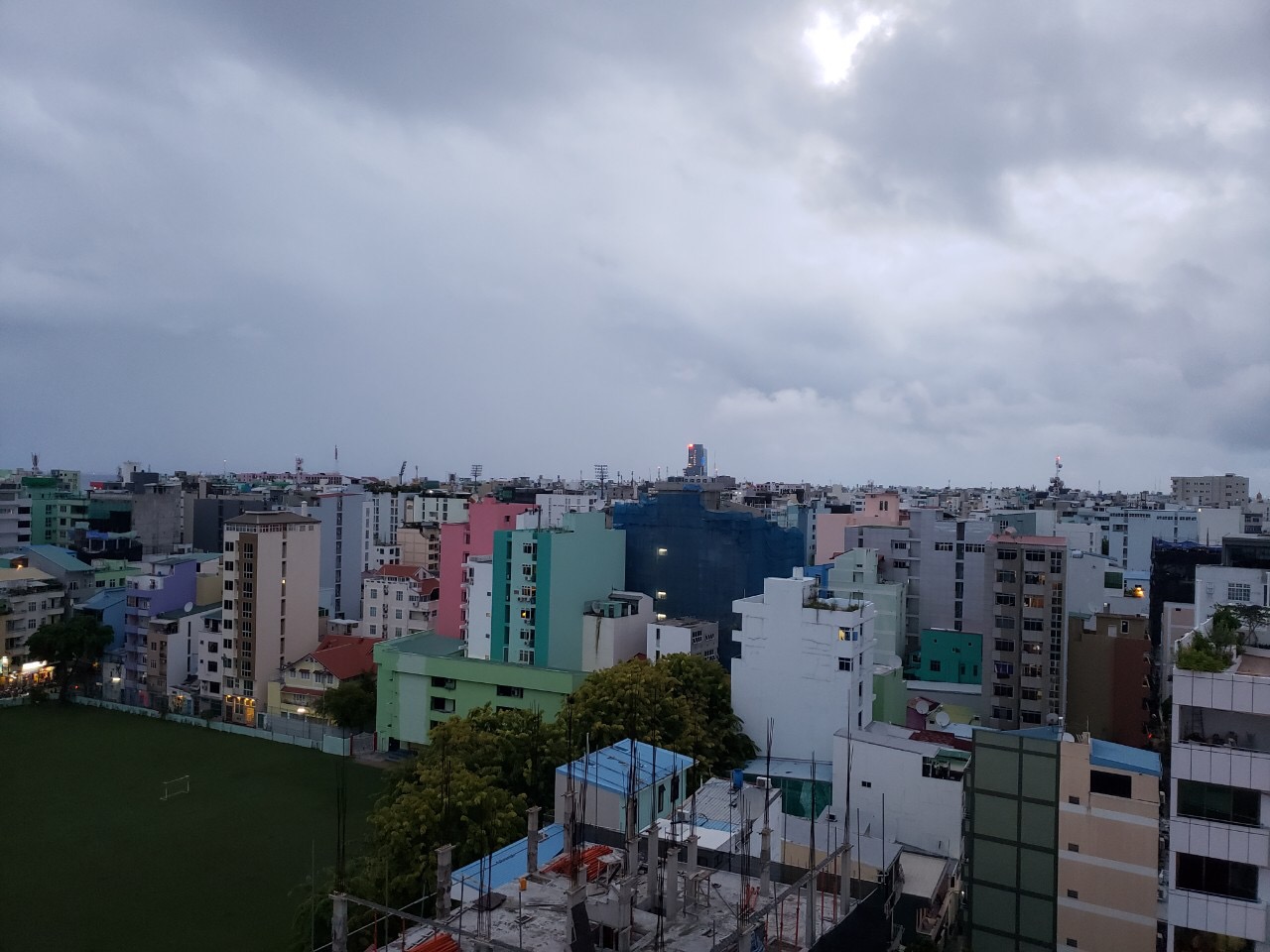
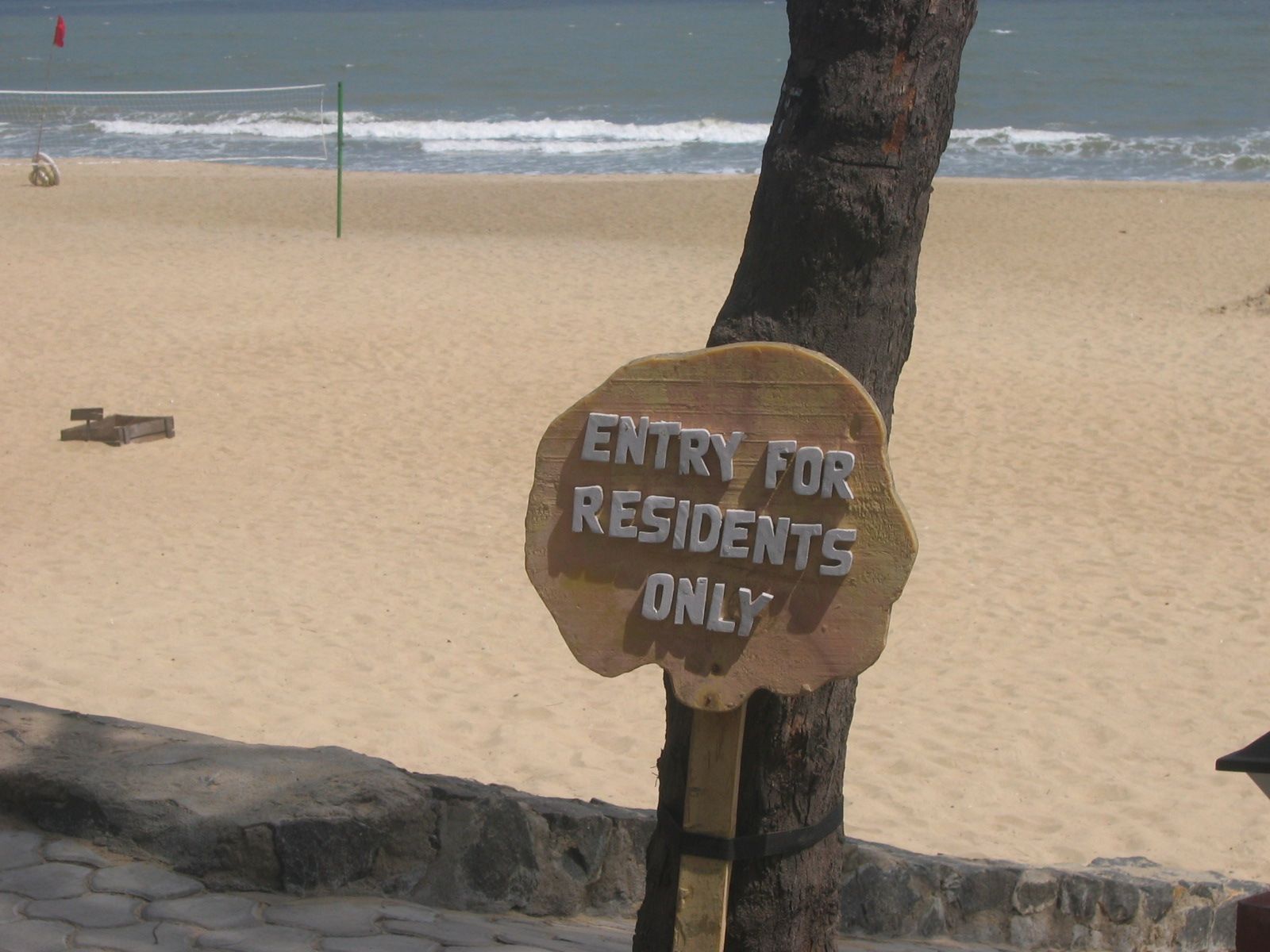
For a long time, tourism in the Maldives was seen as a force for economic development. But today, only a c chosen few profit from the excessive tourism development on uninhabited islands.

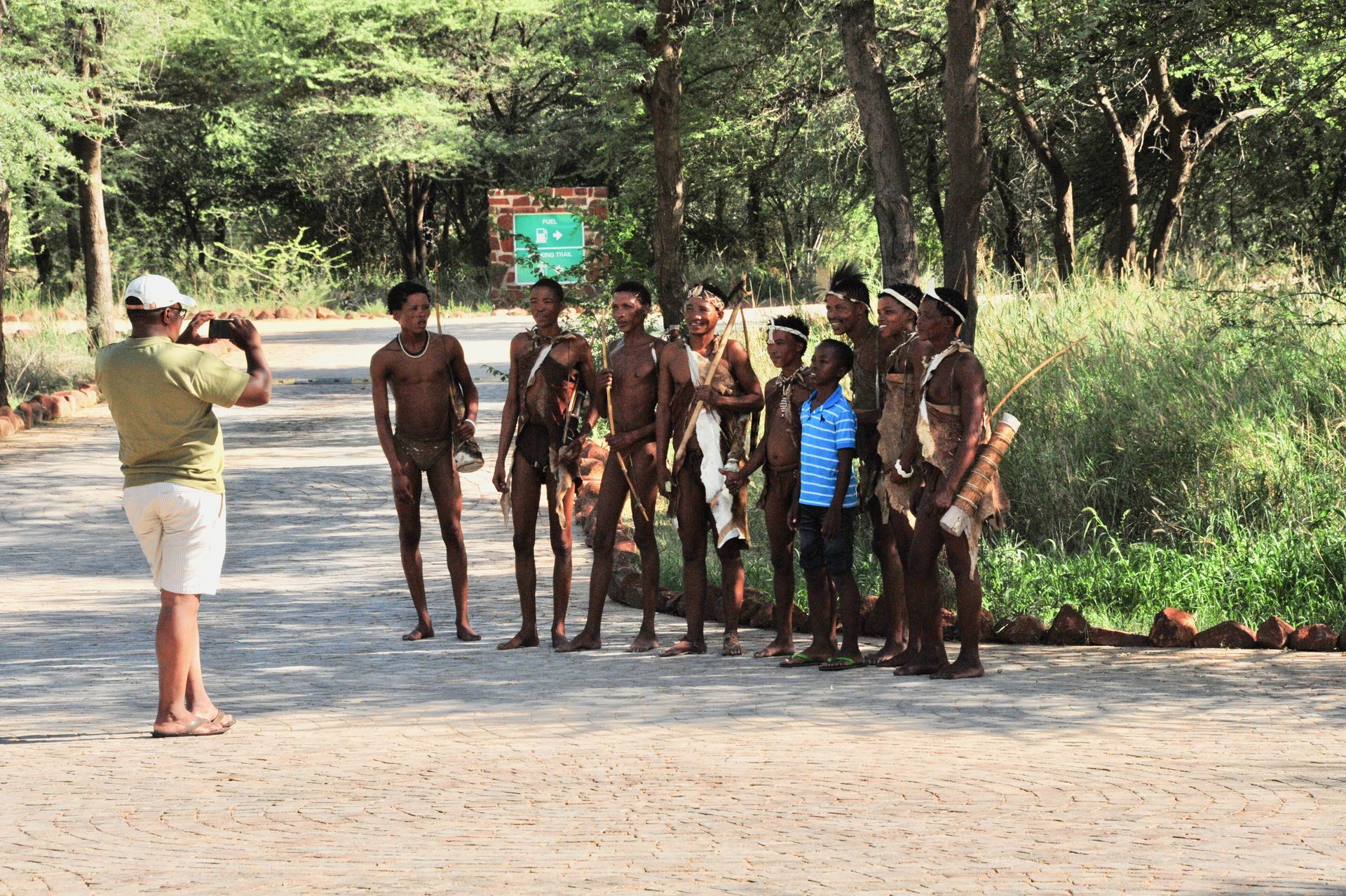
Tourism could contribute to preserving the Sans’ cultural identity and thus to strengthening their land rights in southern Africa.

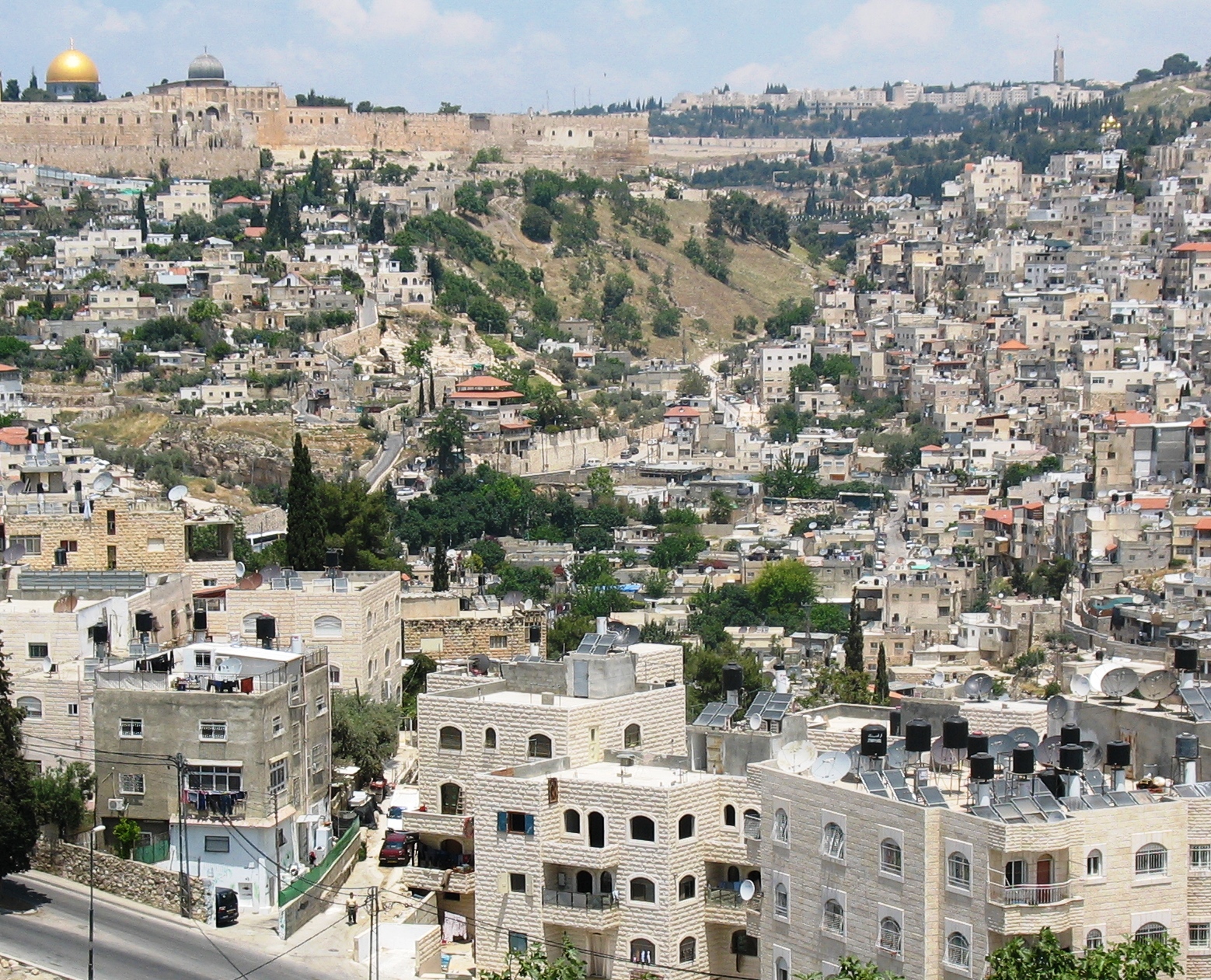
In alternative exposure tours, Ir Amim shows how tourism attractions in East Jerusalem, such as the City of David, become politicized.

Violence is part of everyday life for many favela residents. When tourists are affected, it receives international media attention.

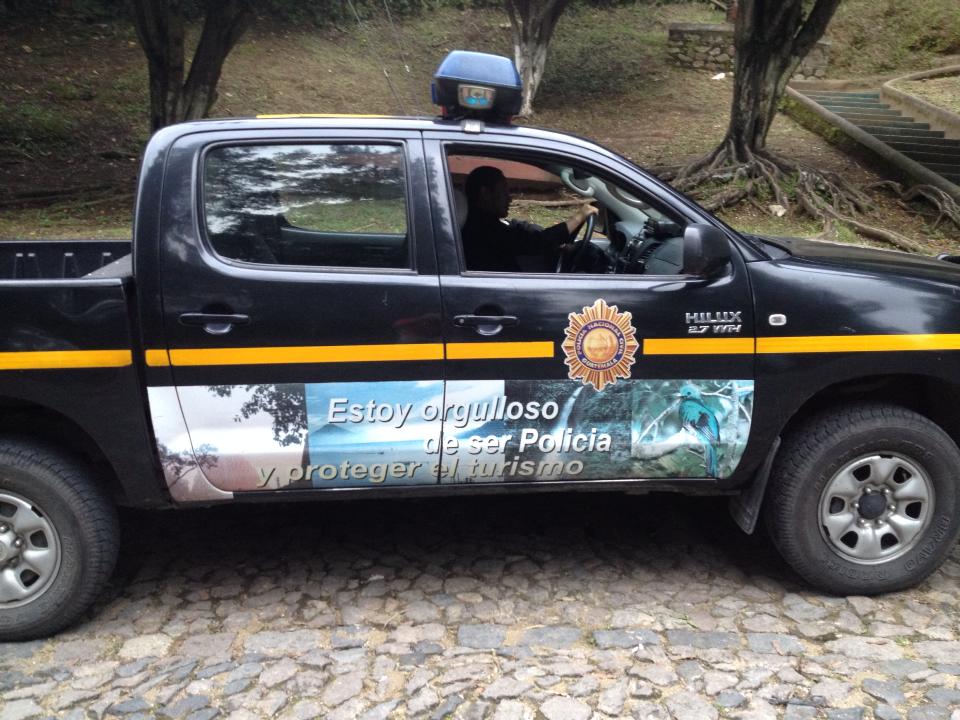
Measures to protect tourists and tourism infrastructure can reinforce insecurity and undermine sustainable development in local communities.

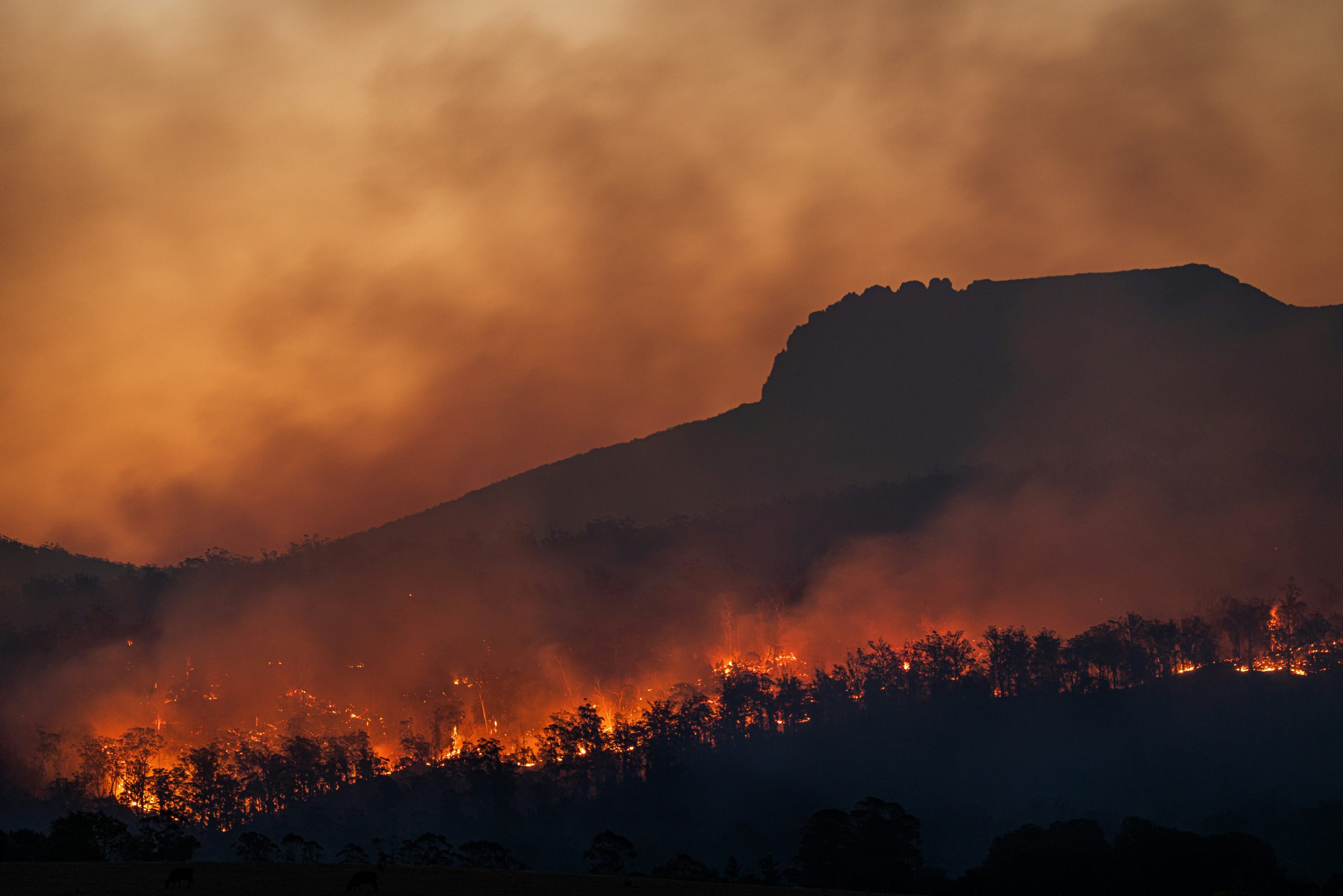
Global crises can rapidly change security situations. Careful risk assessment helps tourism companies and travellers respond appropriately.

Digital technologies are transforming tourism. Now is the time to shape the rules that will guide this transformation.

Visible diversity alone is not enough for equitable tourism. Inclusion requires structural change and meaningful participation.

The “Decolonial Travel Guide Tanzania” centres local perspectives and presents travel as a shared learning process.

Travel guidebooks shape what is considered worth seeing – often overlooking the lives and perspectives of local communities.

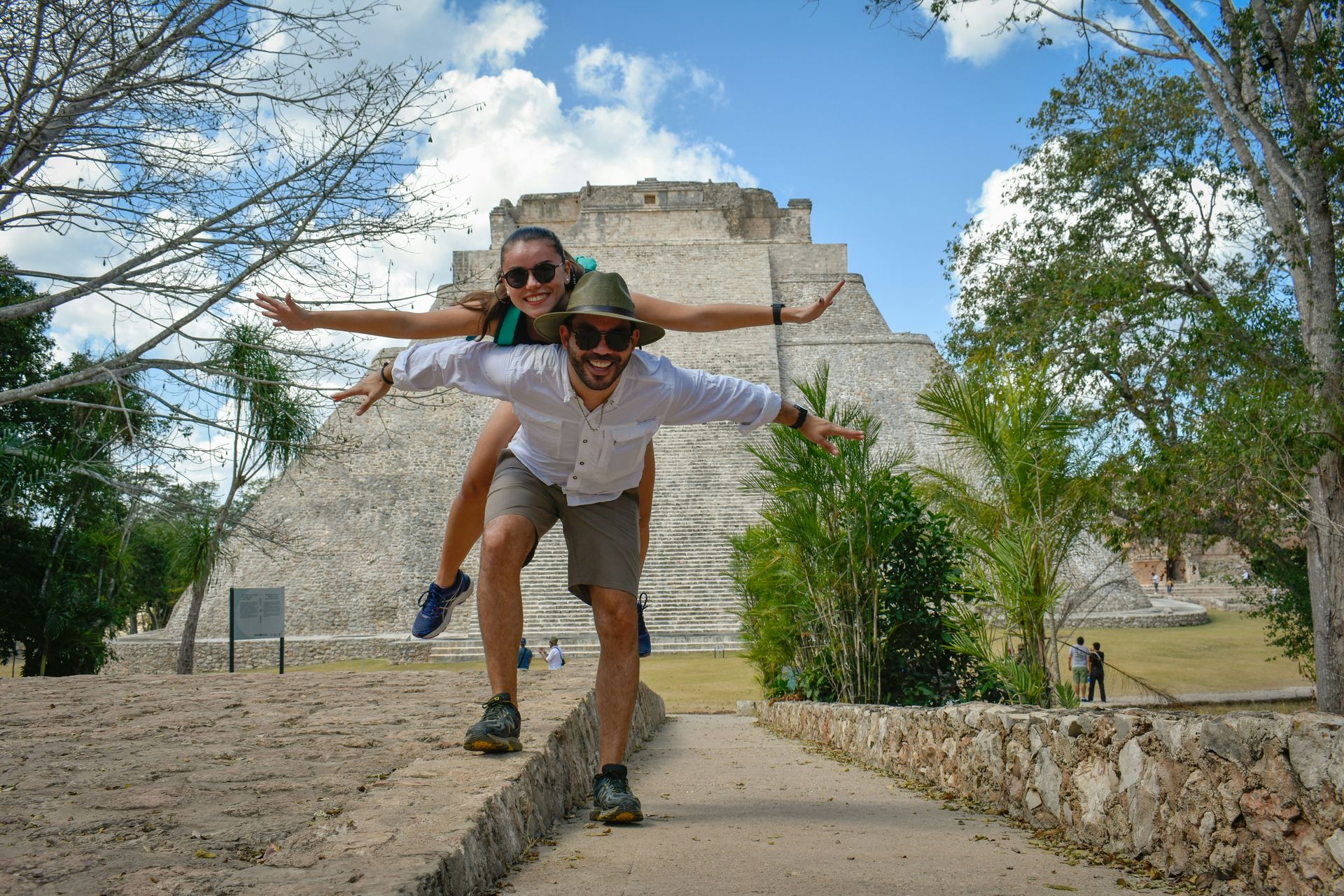
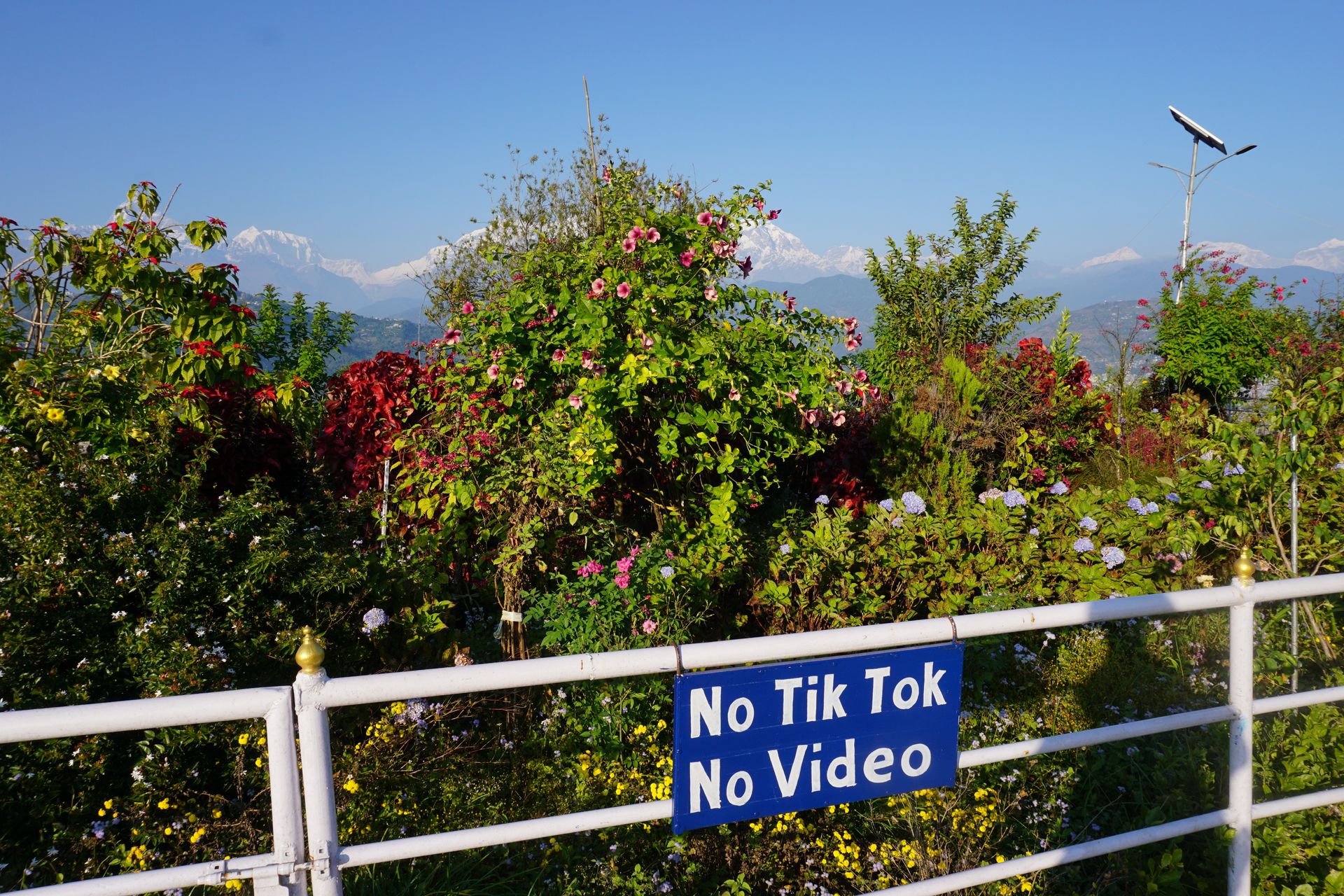
Social media shapes travel decisions, puts destinations in the spotlight, but can also reinforce overtourism and stereotypical portrayals.

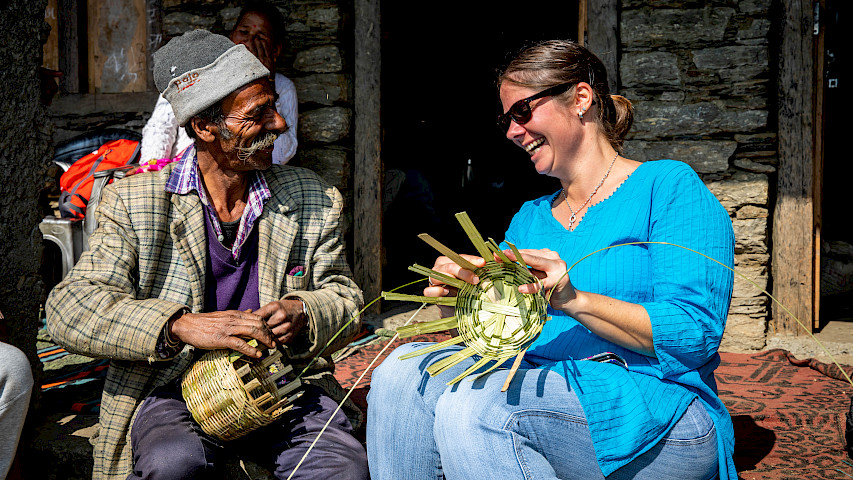
Digital travel guides make it easier to navigate destinations, but local knowledge often becomes accessible only through personal encounters.

Study: Perceptions of home influence how travellers view destinations – and which places they find most attractive.