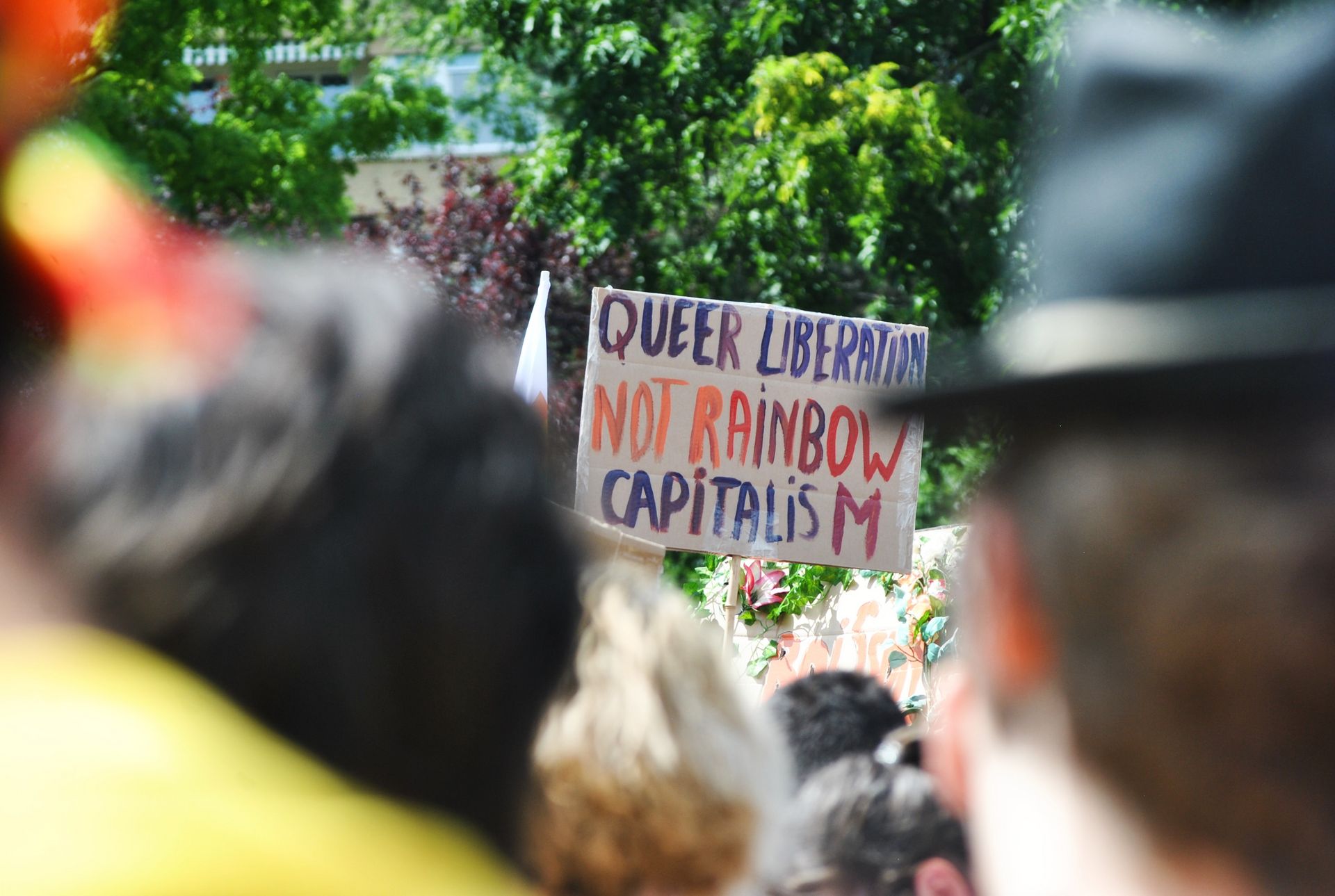
© Delia Giandeini on Unsplash
08.12.2019
Bon Voyage vs. Boycott
How can LGBTQI* tourism contribute to the rights of homo- and transsexuals in travel destinations? Reflections from Cambodia, Colombia and Saudi Arabia.
Mehr lesen

All over the world, LGBTQI* people face discrimination. Experts discuss in how far tourism can strengthen the rights as well as acceptance of homo- and transsexual people. Tourism businesses and associations, unions, activists and workers show, how they fight against homophobia and for equal rights.
How can LGBTQI* tourism contribute to the rights of homo- and transsexuals in travel destinations? Reflections from Cambodia, Colombia and Saudi Arabia.

Homosexuality is a punishable offense in Uganda. A tour operator describes his efforts to fight homophobia and discrimination of LGBTQI* persons in the country.
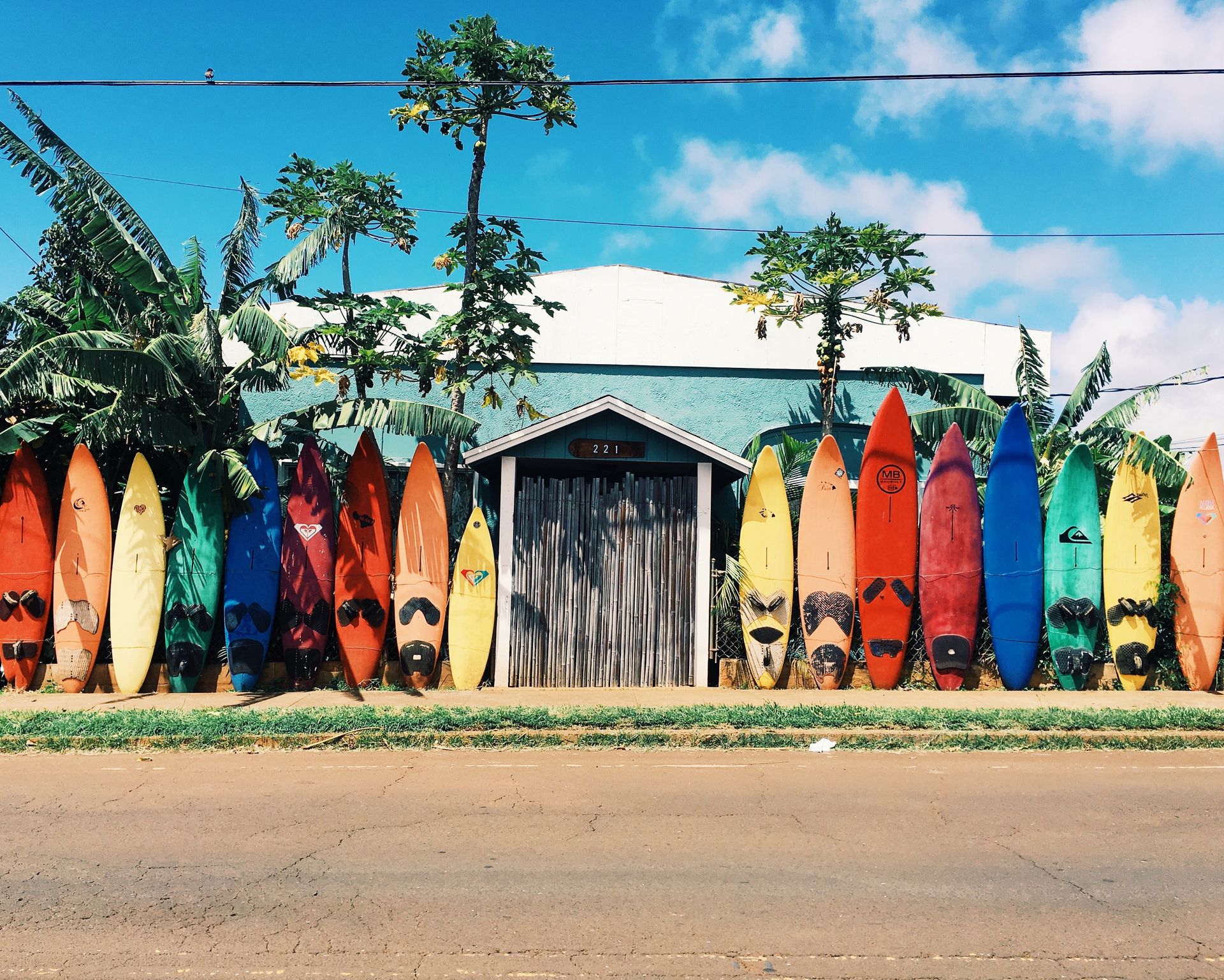
Rika Jean-Francois is in charge of Corporate Social Responsibility at the ITB Berlin and on the Board of Directors of the International Gay & Lesbian Travel Association Foundation. We spoke to her about the importance of LGBTQI* tourism to countries of the Global South.
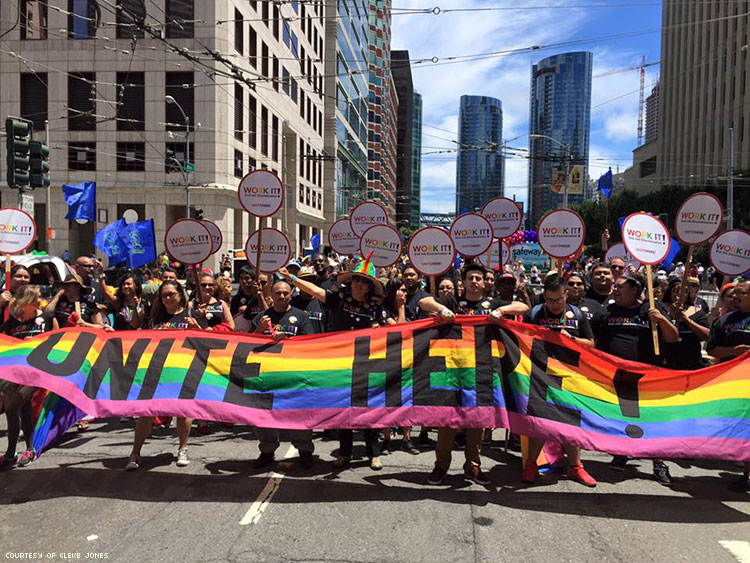
Unionist Cleve Jones explains in the interview, what kinds of discrimination LGBTQI* workers in the food and hospitality sector face every day and how they fight for equal rights.
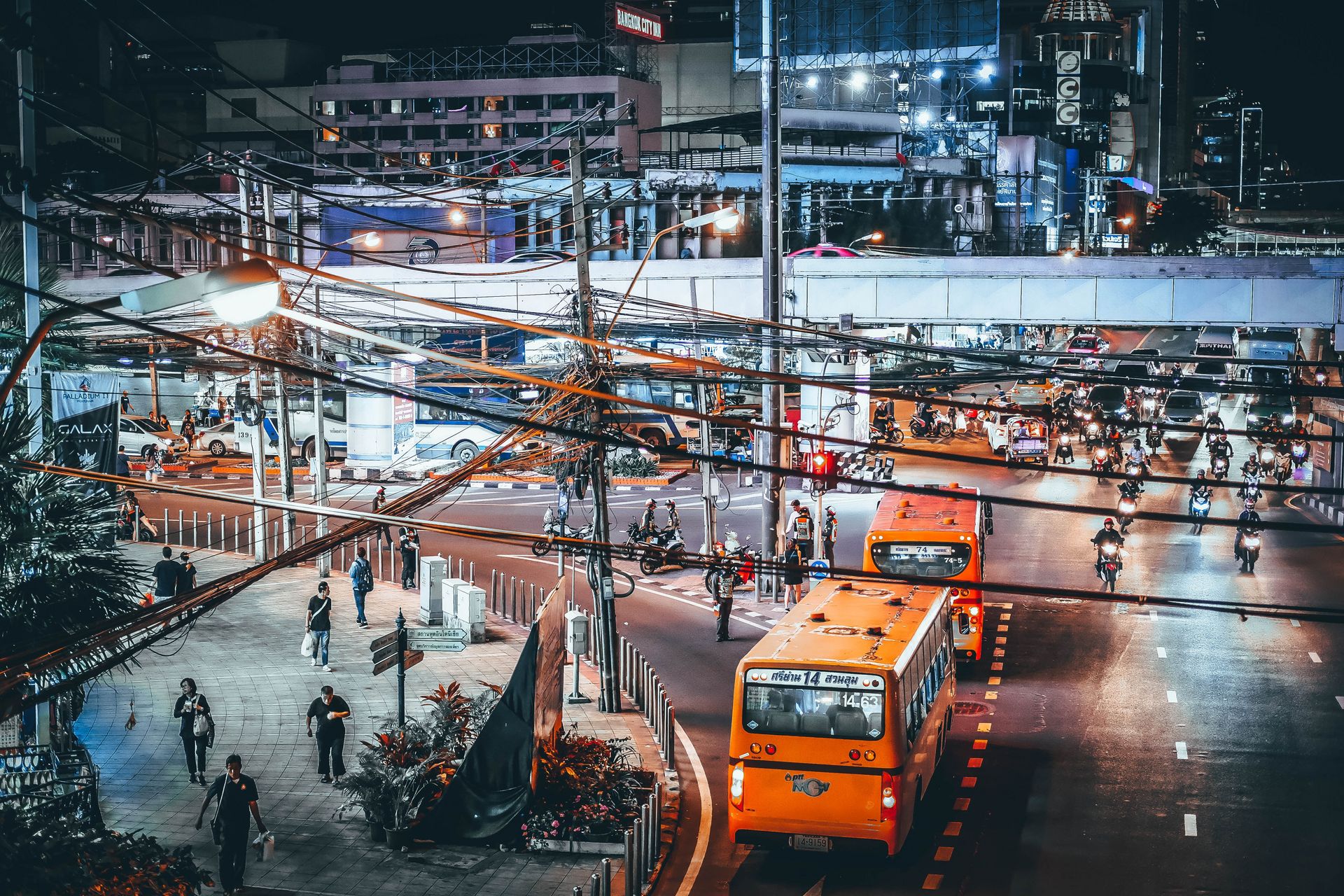
Thailand is marketed as one of the world’s most LGBTQI*-friendly destinations. But transsexual refugees face a different reality: a harsh and dangerous life in Thai Immigration Detention Centres.
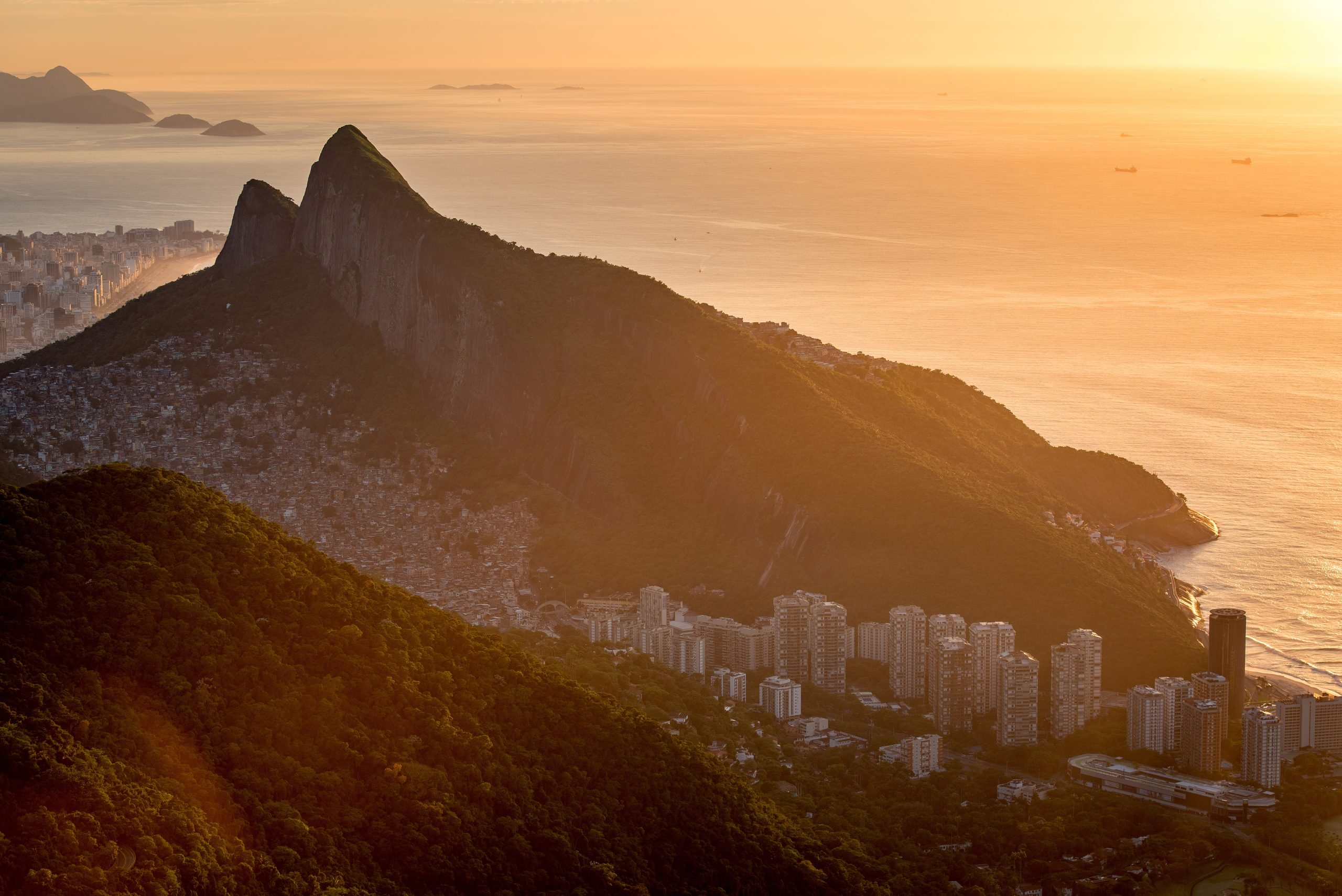
Violence is part of everyday life for many favela residents. When tourists are affected, it receives international media attention.
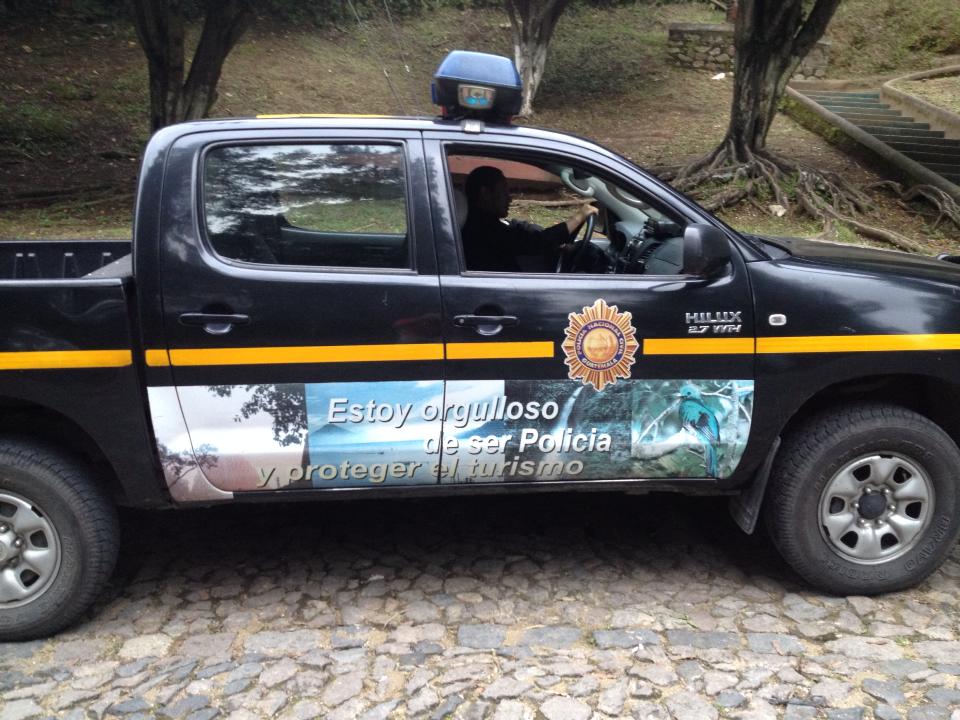
Measures to protect tourists and tourism infrastructure can reinforce insecurity and undermine sustainable development in local communities.
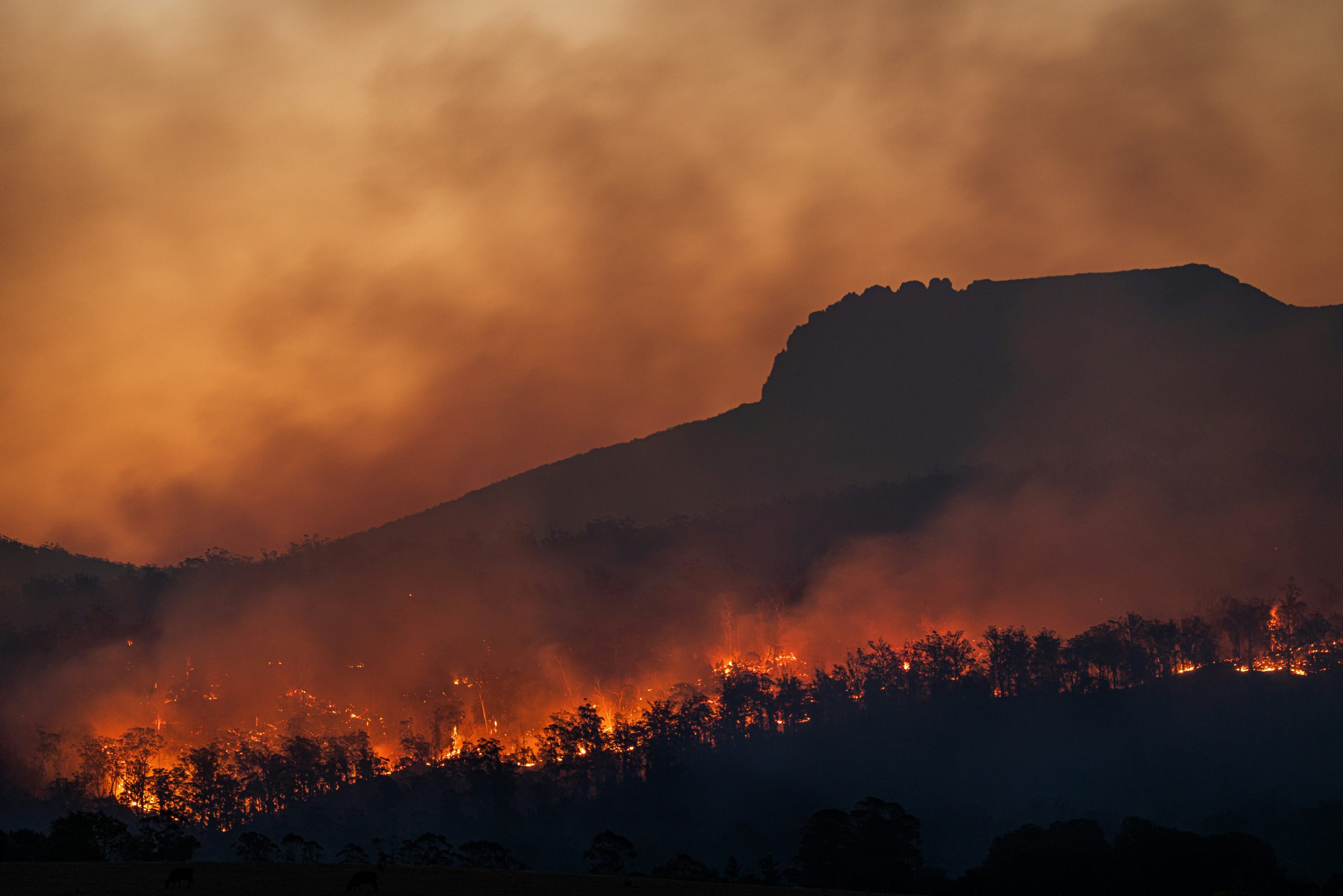
Global crises can rapidly change security situations. Careful risk assessment helps tourism companies and travellers respond appropriately.

Digital technologies are transforming tourism. Now is the time to shape the rules that will guide this transformation.

Visible diversity alone is not enough for equitable tourism. Inclusion requires structural change and meaningful participation.
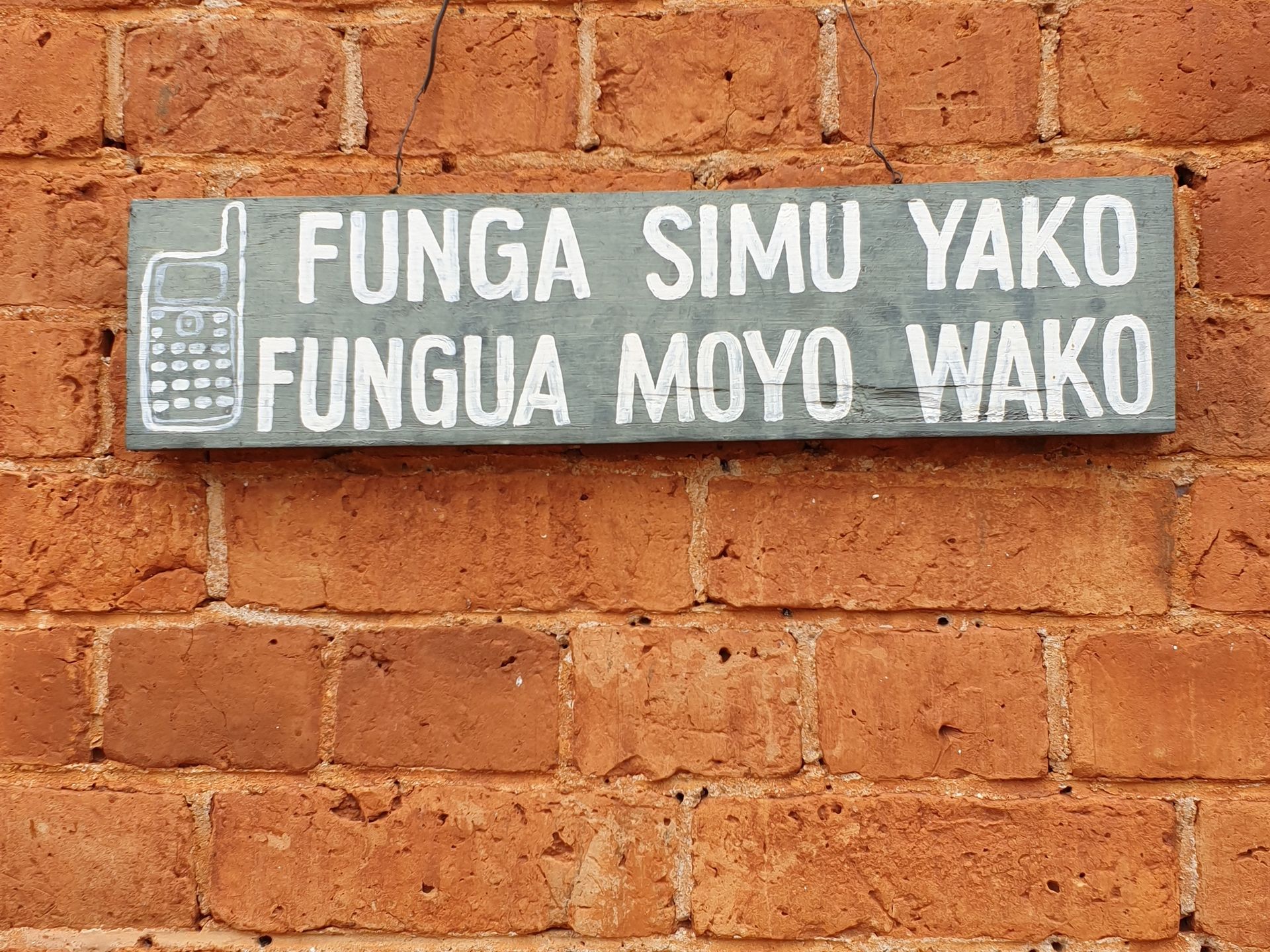
The “Decolonial Travel Guide Tanzania” centres local perspectives and presents travel as a shared learning process.
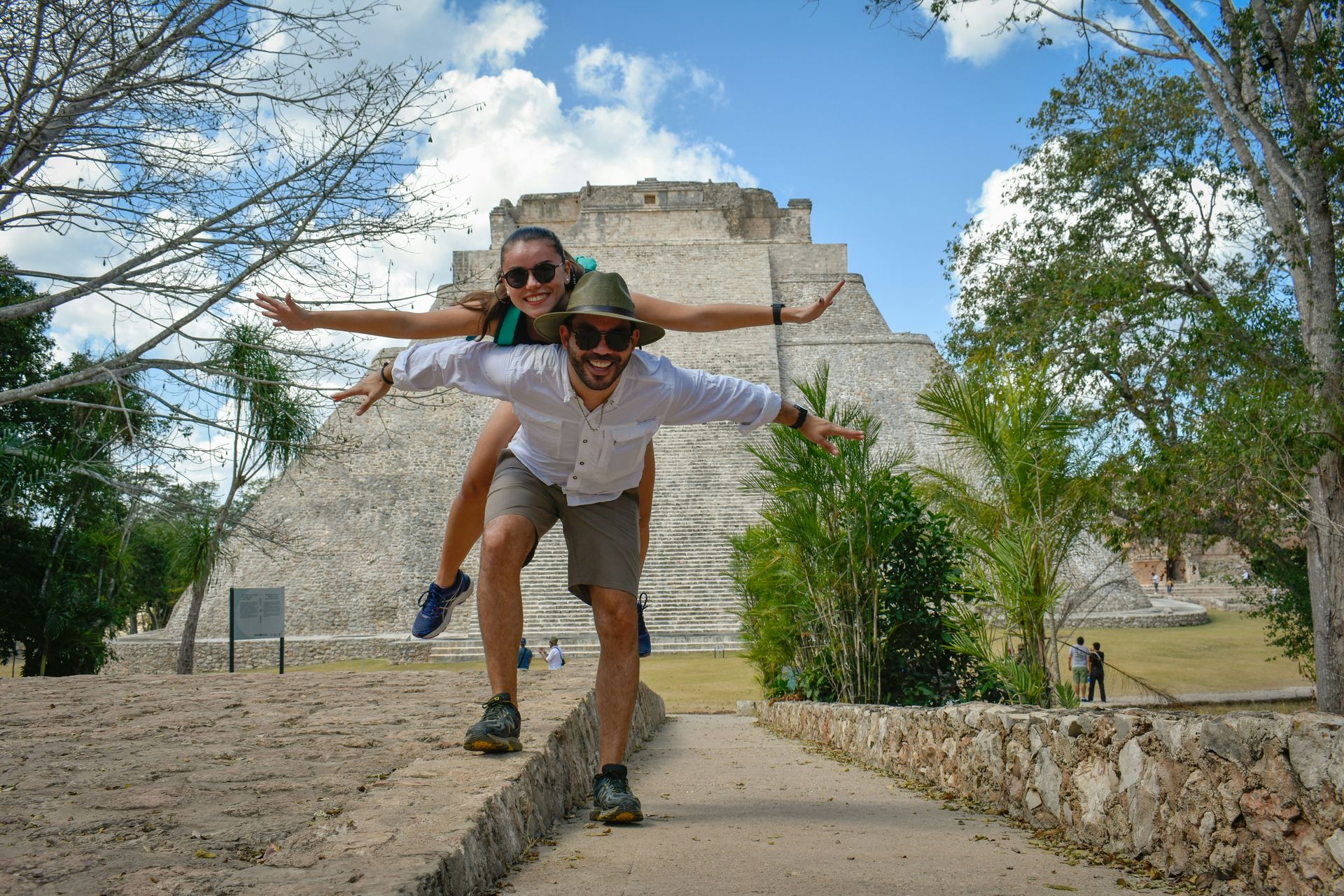
Travel guidebooks shape what is considered worth seeing – often overlooking the lives and perspectives of local communities.
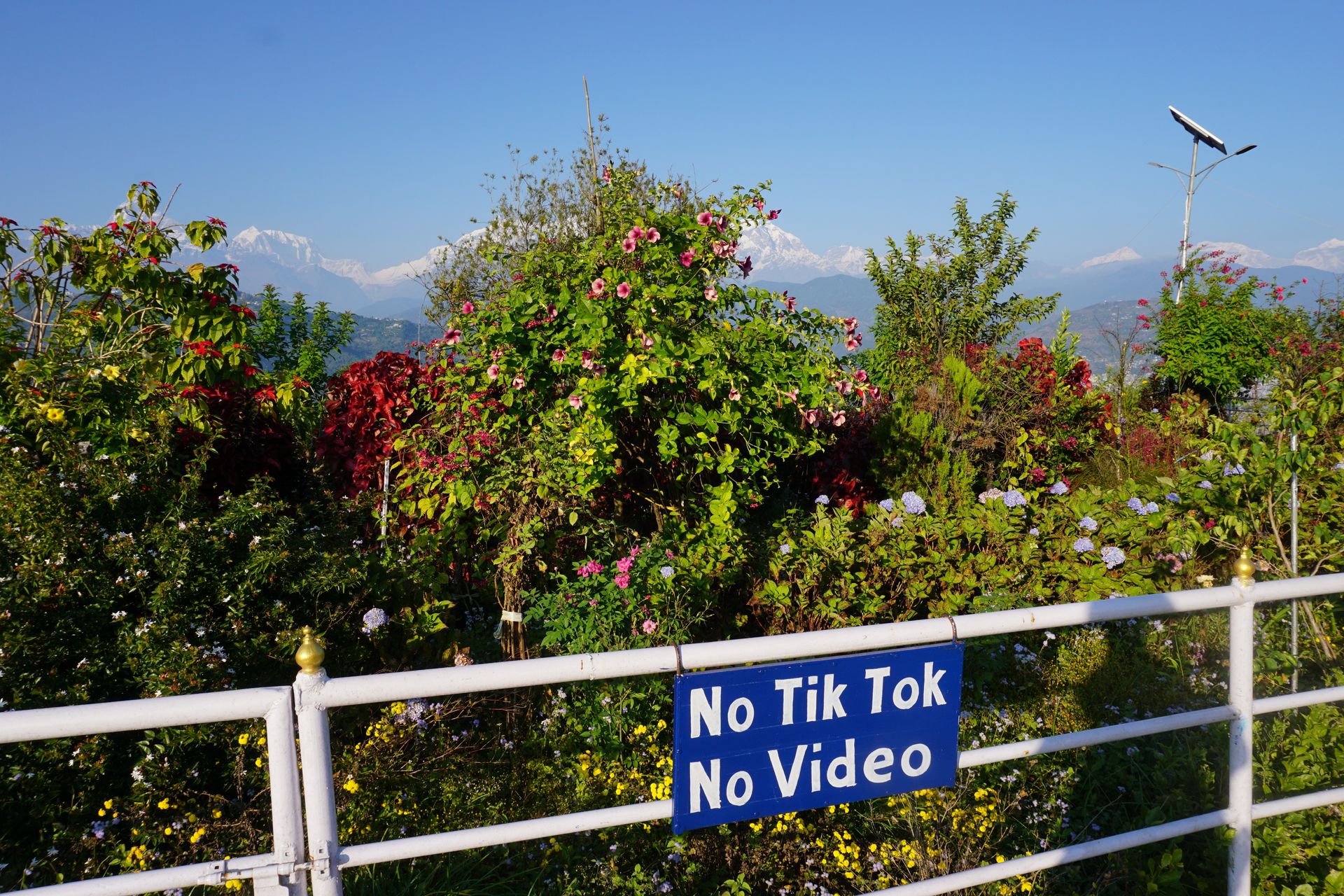
Social media shapes travel decisions, puts destinations in the spotlight, but can also reinforce overtourism and stereotypical portrayals.
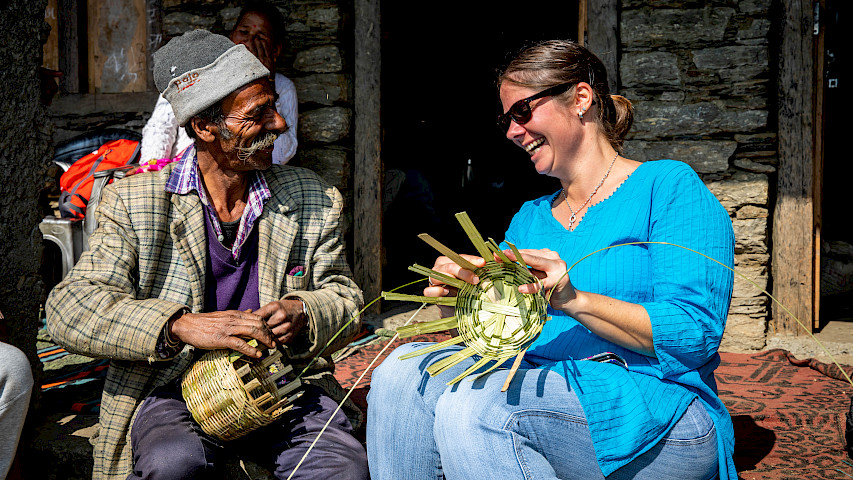
Digital travel guides make it easier to navigate destinations, but local knowledge often becomes accessible only through personal encounters.
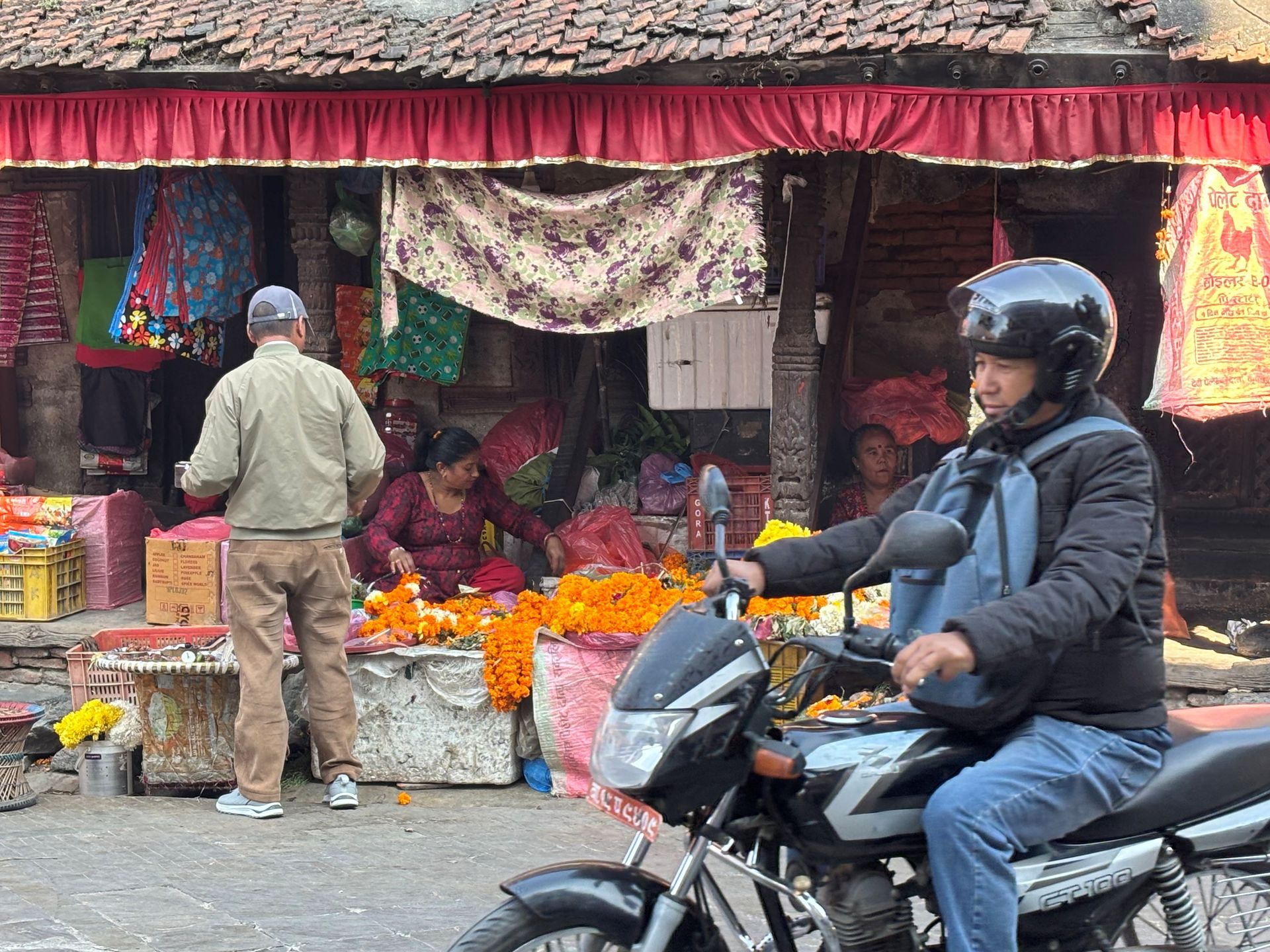
Study: Perceptions of home influence how travellers view destinations – and which places they find most attractive.