© Tony Tong
09.05.2019
Agritourism in the Caribbean
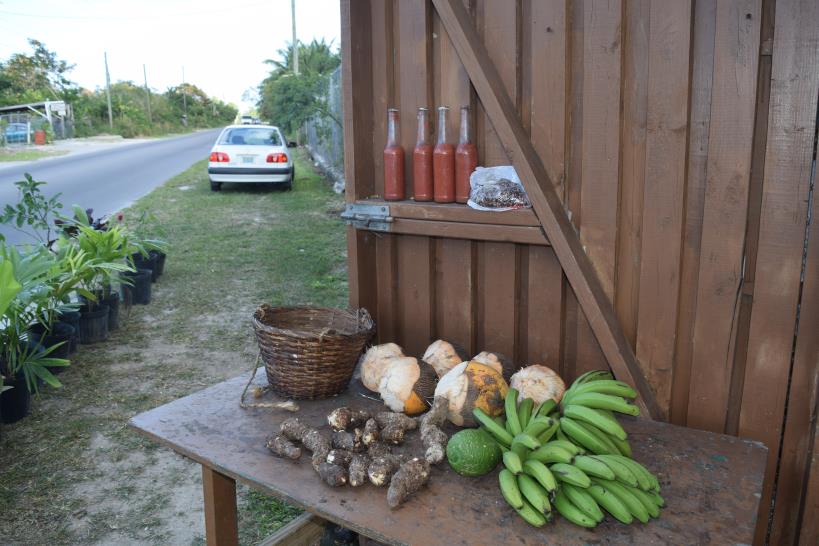
Caribbean islands have increasingly turned to tourism as a pathway for economic advancement, often to the detriment of other industries, particularly agriculture.
Mehr lesen

Caribbean islands have increasingly turned to tourism as a pathway for economic advancement, often to the detriment of other industries, particularly agriculture.
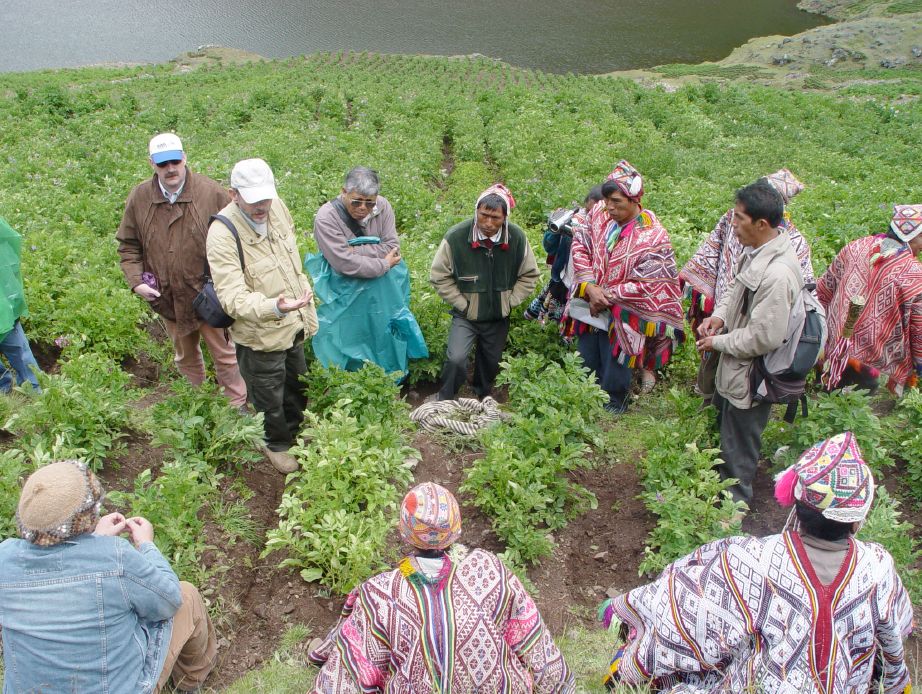
In the face of rural poverty and climate change, agro-ecotourism in the Potato Park in the Peruvian Andes opens up new perspectives.
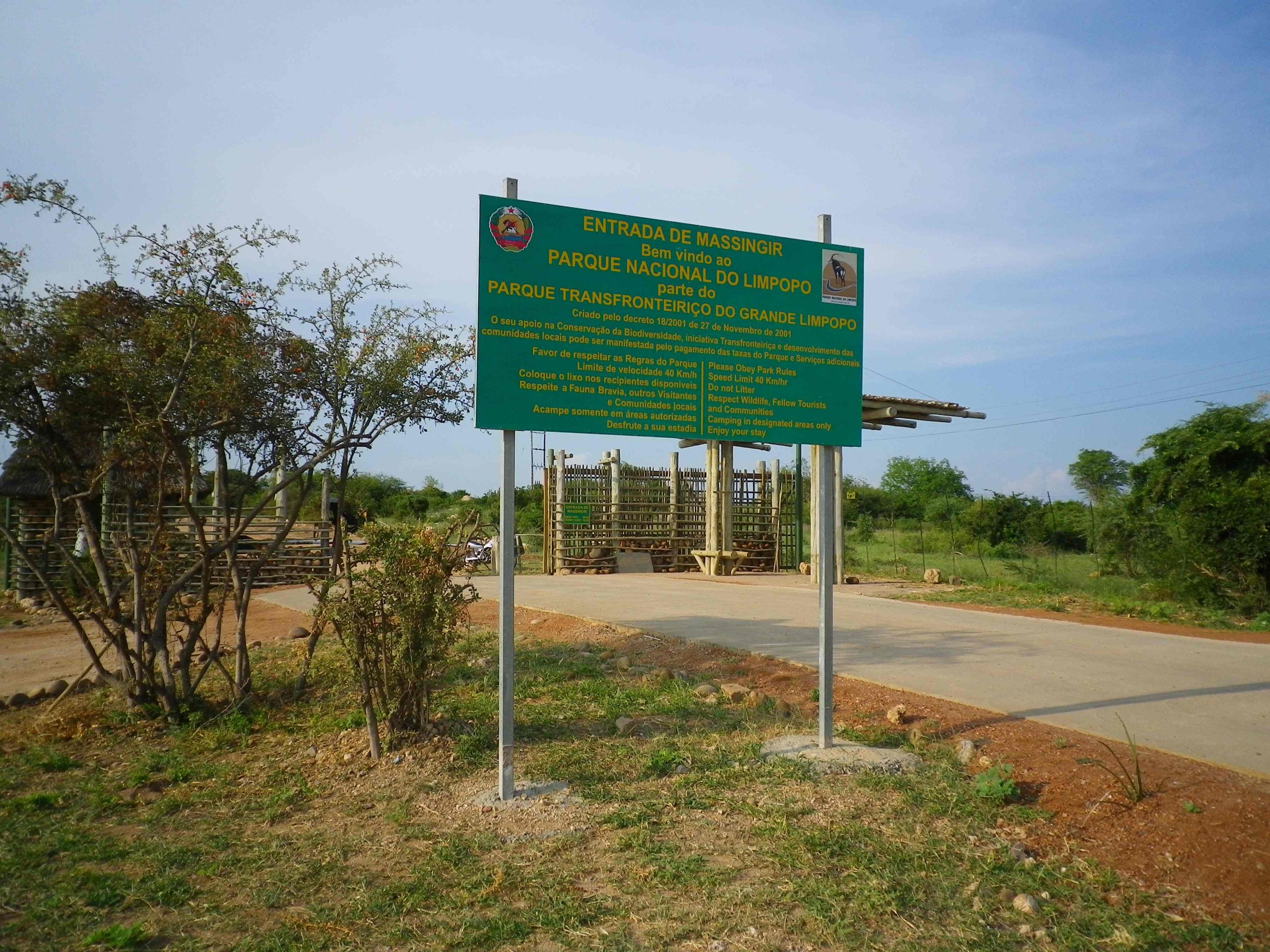
Three communities resettled outside of Limpopo National Park. However, the promise of irrigated agriculture is not fulfilled yet and severely impacts the communities’ ability to produce food.
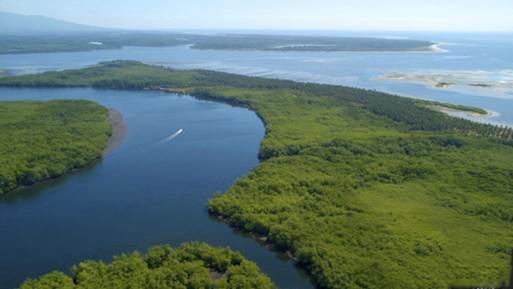
The plans of the Government to transform Jiquilisco Bay into “the Cancun of Central America” comes at a cost: Local communities loose access to mangrove forests. Their traditional ways of food production are disrupted and their food security is threatened.

Violence is part of everyday life for many favela residents. When tourists are affected, it receives international media attention.
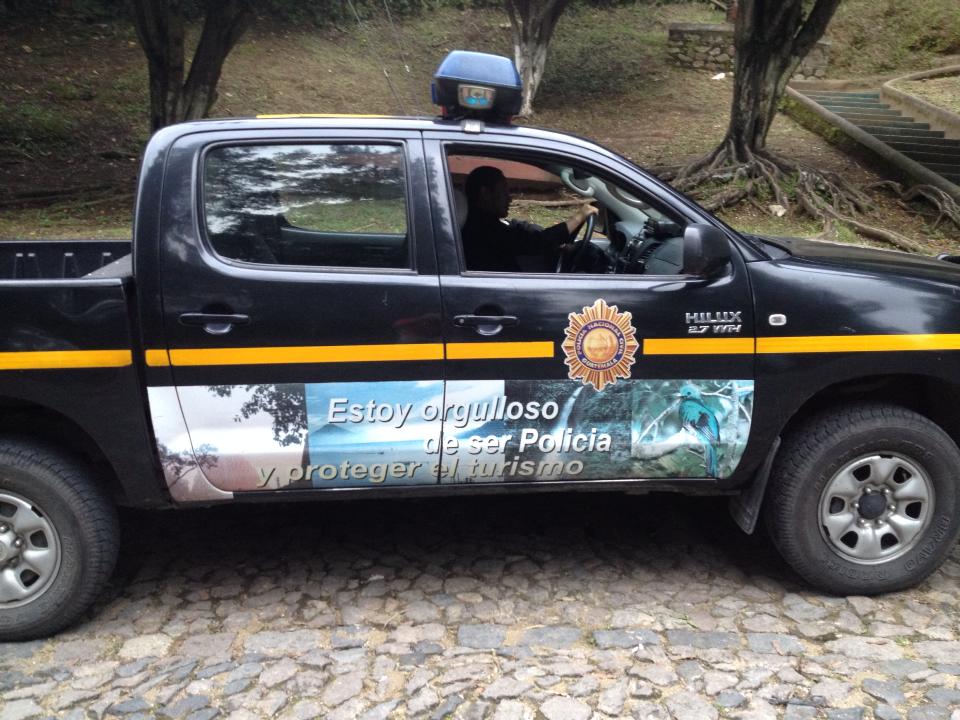
Measures to protect tourists and tourism infrastructure can reinforce insecurity and undermine sustainable development in local communities.

Global crises can rapidly change security situations. Careful risk assessment helps tourism companies and travellers respond appropriately.

Digital technologies are transforming tourism. Now is the time to shape the rules that will guide this transformation.

Visible diversity alone is not enough for equitable tourism. Inclusion requires structural change and meaningful participation.

The “Decolonial Travel Guide Tanzania” centres local perspectives and presents travel as a shared learning process.
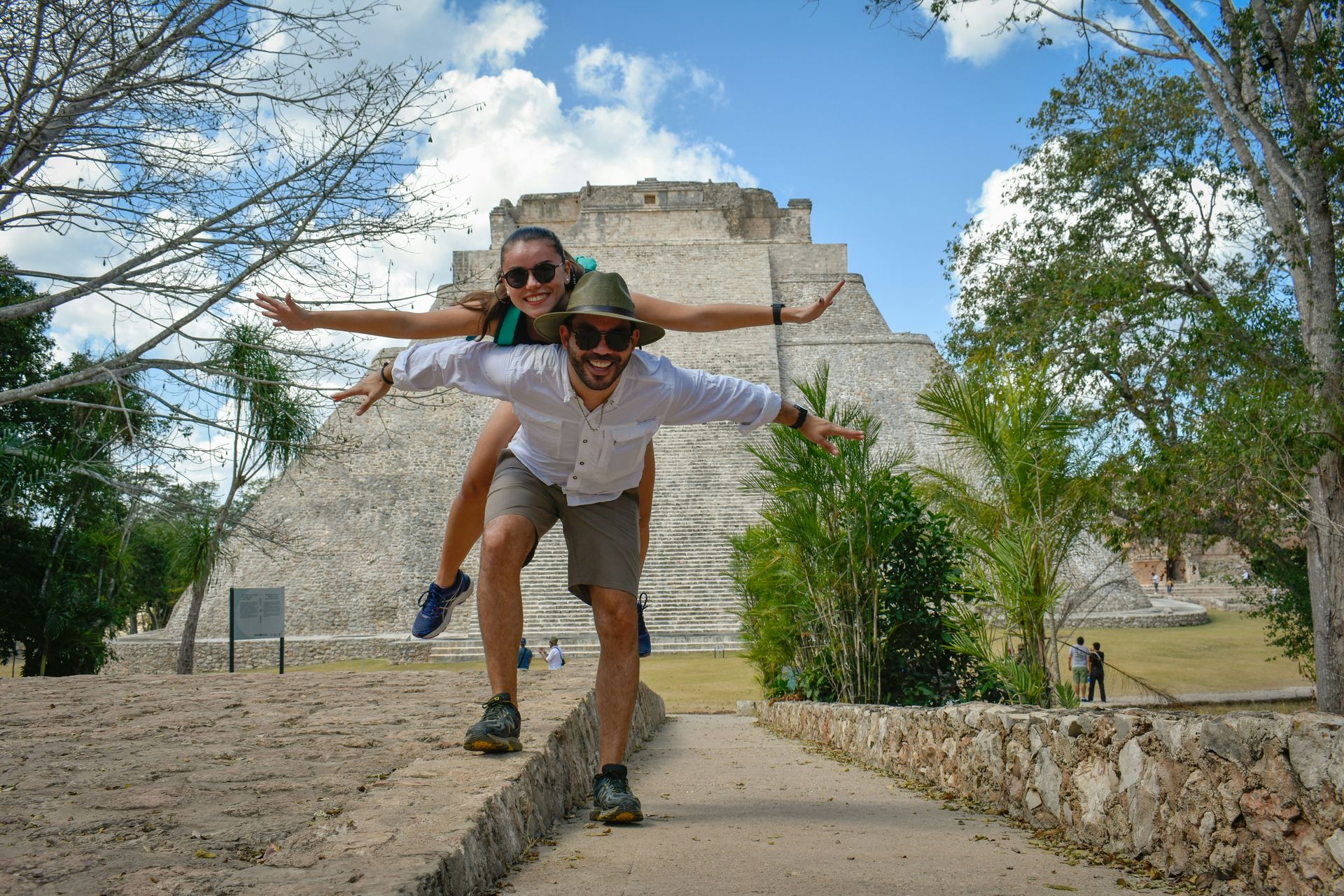
Travel guidebooks shape what is considered worth seeing – often overlooking the lives and perspectives of local communities.
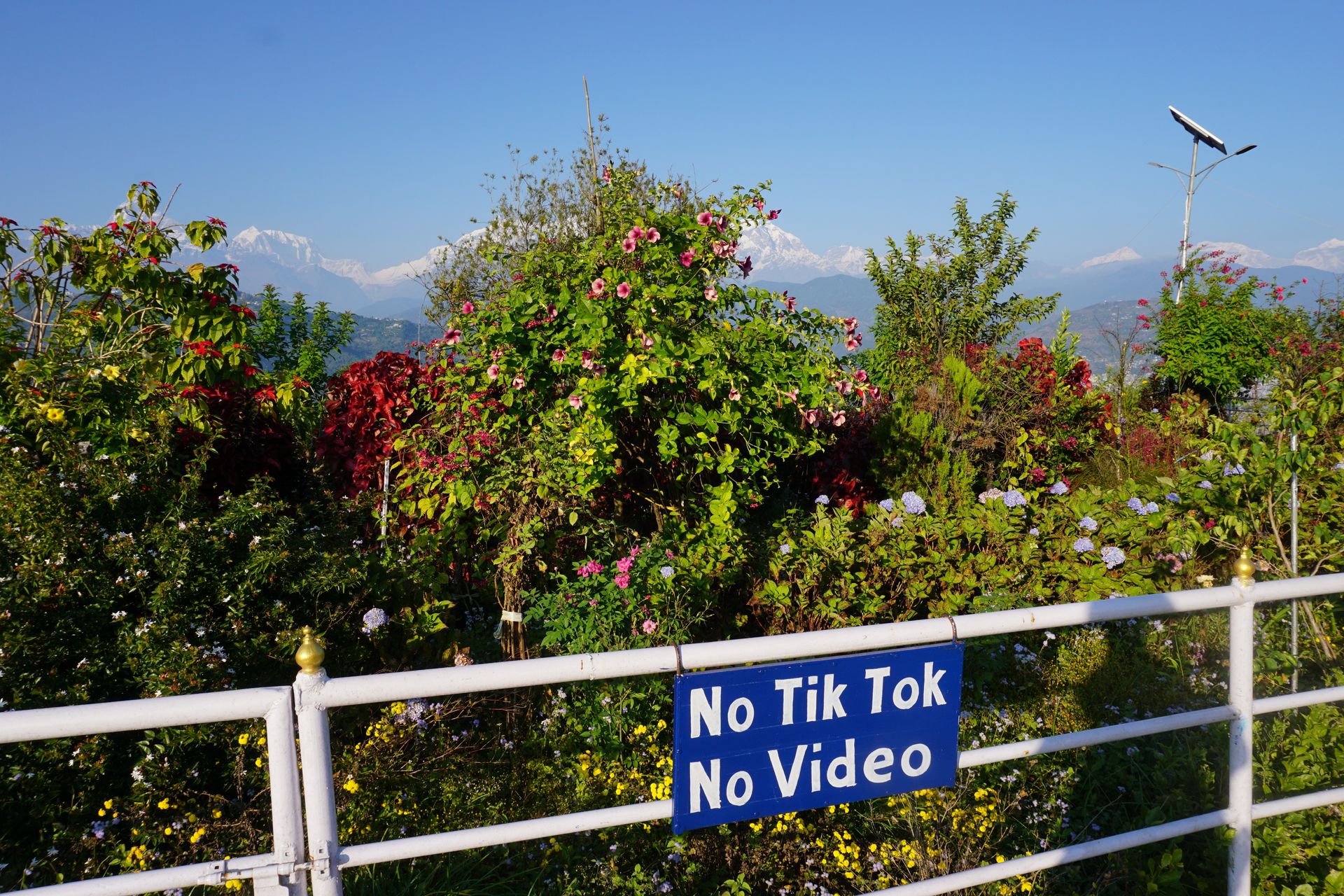
Social media shapes travel decisions, puts destinations in the spotlight, but can also reinforce overtourism and stereotypical portrayals.
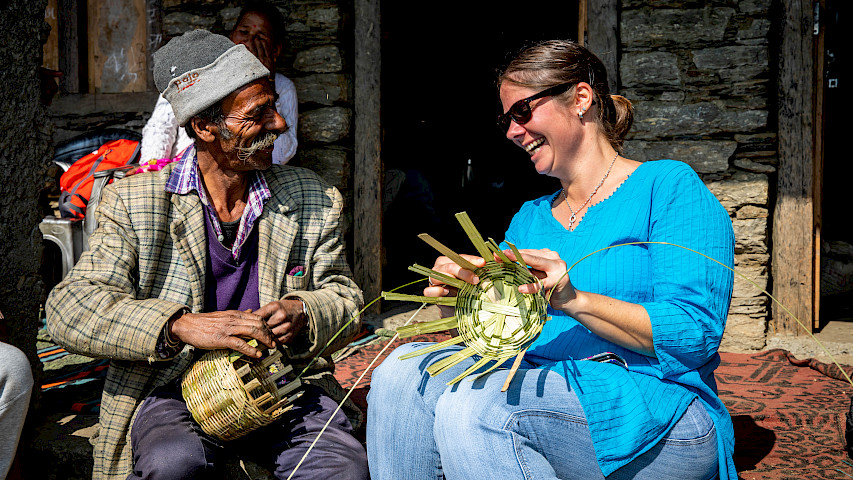
Digital travel guides make it easier to navigate destinations, but local knowledge often becomes accessible only through personal encounters.
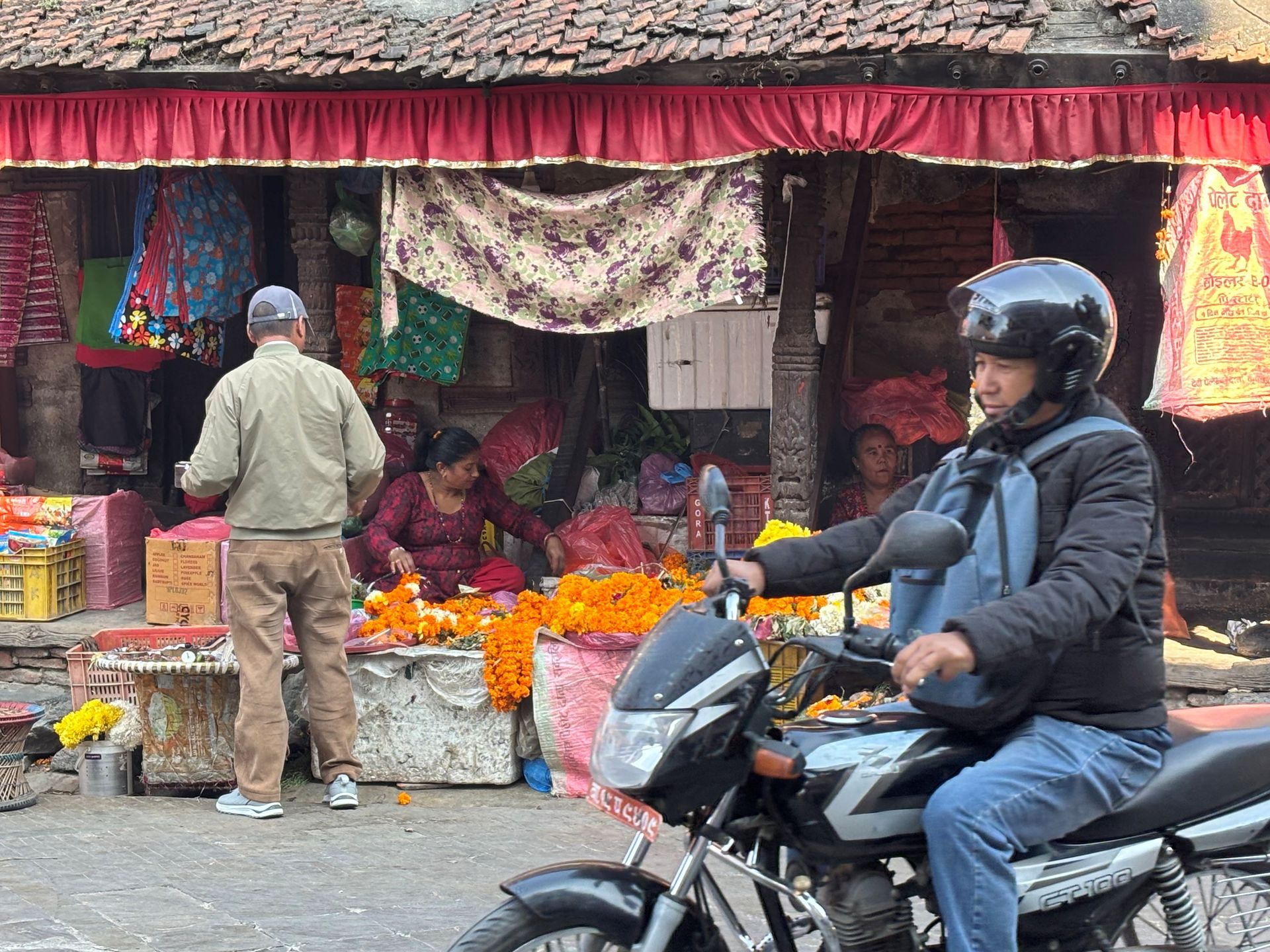
Study: Perceptions of home influence how travellers view destinations – and which places they find most attractive.