30.06.2023
Pioneers of change
Claudia Brözel reports on the role of social enterprises for the sustainable transformation of tourism.
Mehr lesen

Sustainability is on everyone’s lips, including in the tourism industry. However, the issue of inclusion and participation of disadvantaged groups often falls by the wayside. Yet the tourism sector offers a wealth of opportunities for inclusion and participation. It is not for nothing that the saying goes, “Tourism is a people’s business.” The pertinent question therefore is who exactly is included in the business.
Social enterprises play a pioneering role in this respect. They show how targeted tourism initiatives can contribute to reducing economic and social inequalities through enabling the participation of disadvantaged groups. The South African organisation !Khwa ttu, for instance, offers indigenous San people the opportunity to pass on their cultural heritage through tourism training and jobs, allowing them to live sustainable livelihoods. Our example from Nepal, in turn, shows how female human trafficking survivors have found ways to regain agency in tourism while sensitizing travelers to the horrors of human trafficking. These examples paint a hopeful picture for tourism. But the pressing question remains: can social entrepreneurial engagement also bring about change in the industry as a whole? More on this in our interview with Professor Claudia Brözel, founder of the Social Entrepreneurship Competition in Tourism.
Claudia Brözel reports on the role of social enterprises for the sustainable transformation of tourism.

!Khwa ttu enables young San to sustain their livelihoods and maintain their cultural heritage.
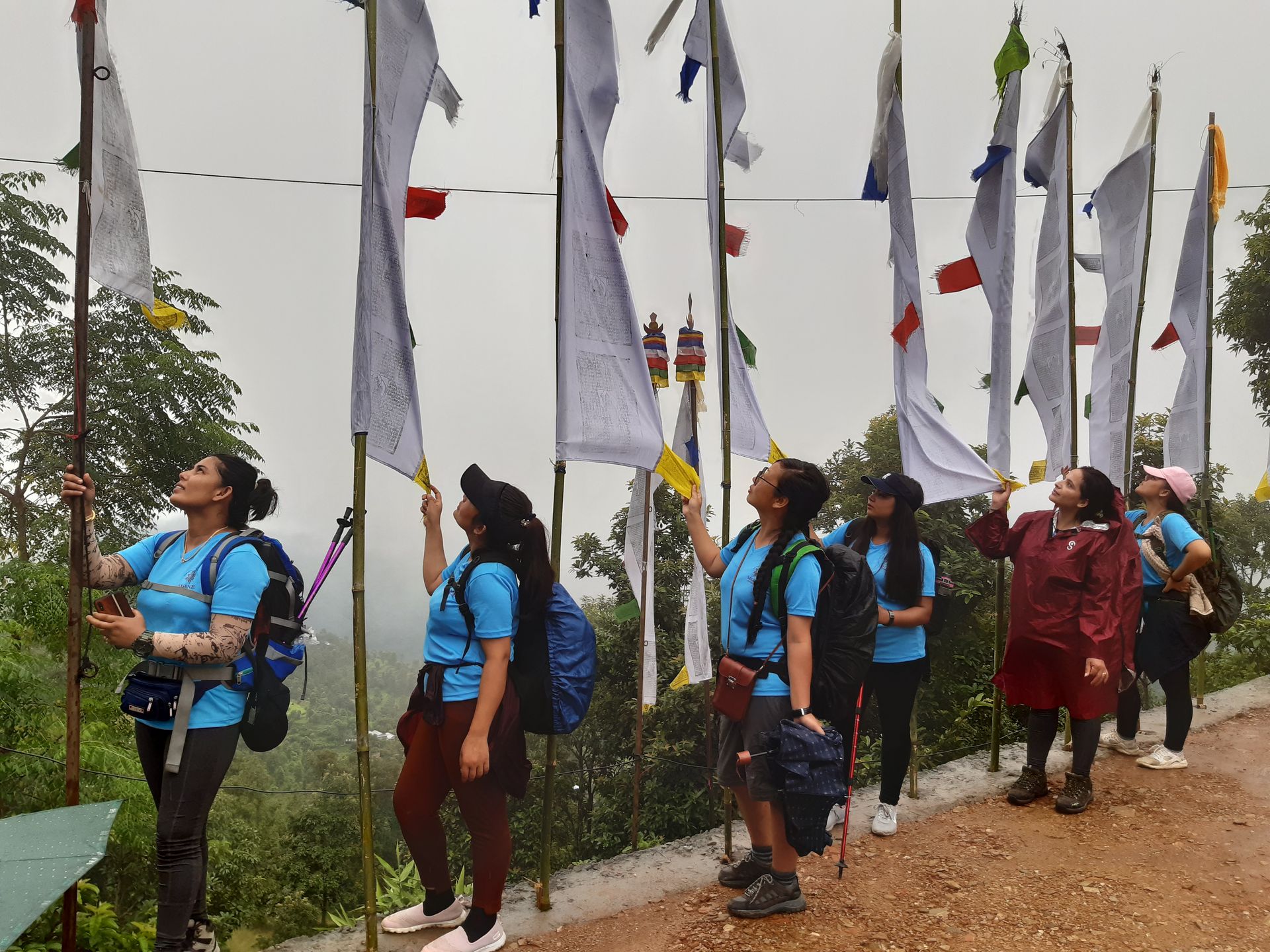
Women from Nepal who managed to escape human trafficking re-build their lives as tour guides.

Creating job opportunities for marginalized groups can help reduce inequality.

The study looks at tourism in a total of six South and Southeast Asian countries before, during and after the Corona pandemic.

The study looks at the economic, social and environmental sustainability efforts of 15 booking platforms.

Research shows how people use strategies of moral disengagement to justify their flying behaviour.

As examples from Pakistan and Mexico show, tourism can have a negative, but also a positive impact on the conservation of World Heritage Sites.