© Fundación maquipucuna
06.07.2025
Ecuador: From Cloud Forest Roots to Global Impact
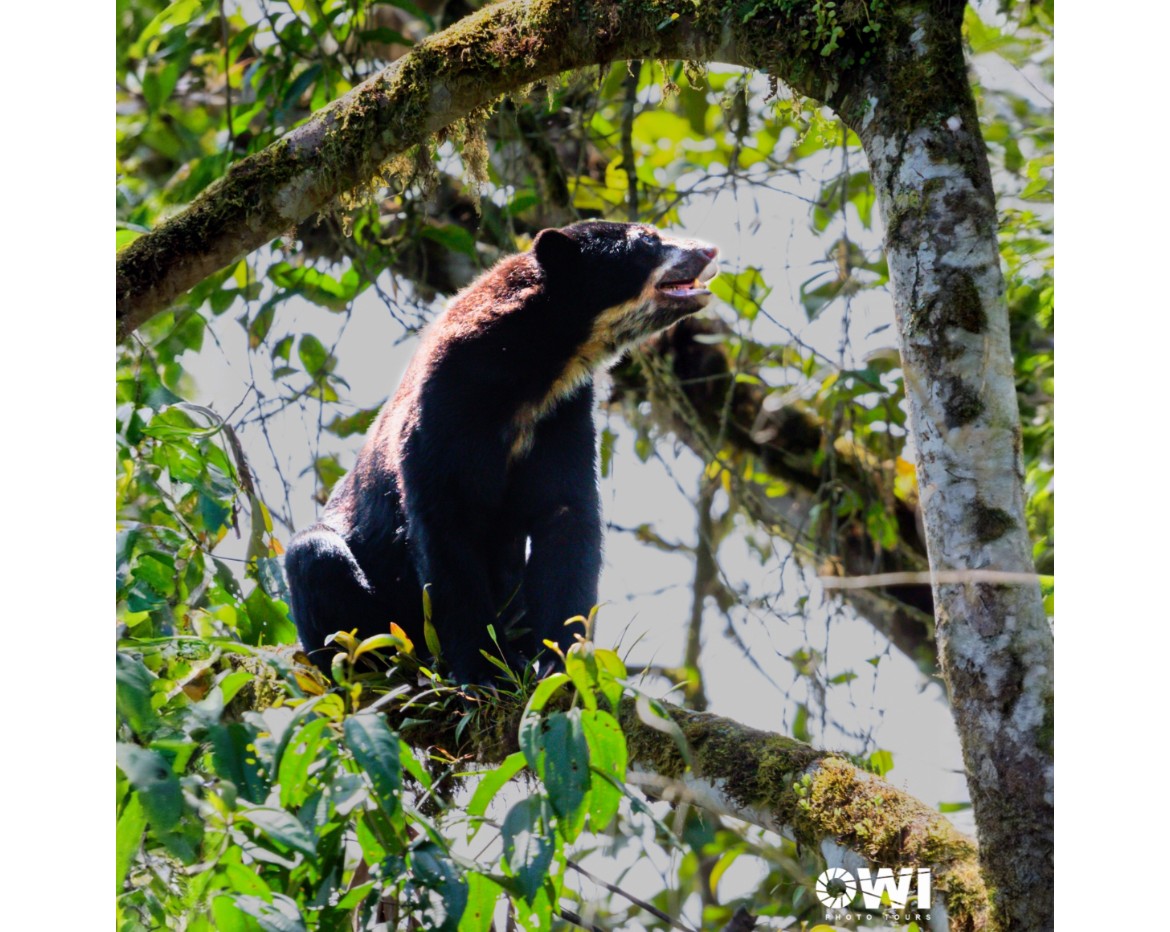
Spectacled bear, anteater and kinkajou – Maquipucuna protects many rare species and helps to better understand their habitat.
Mehr lesen

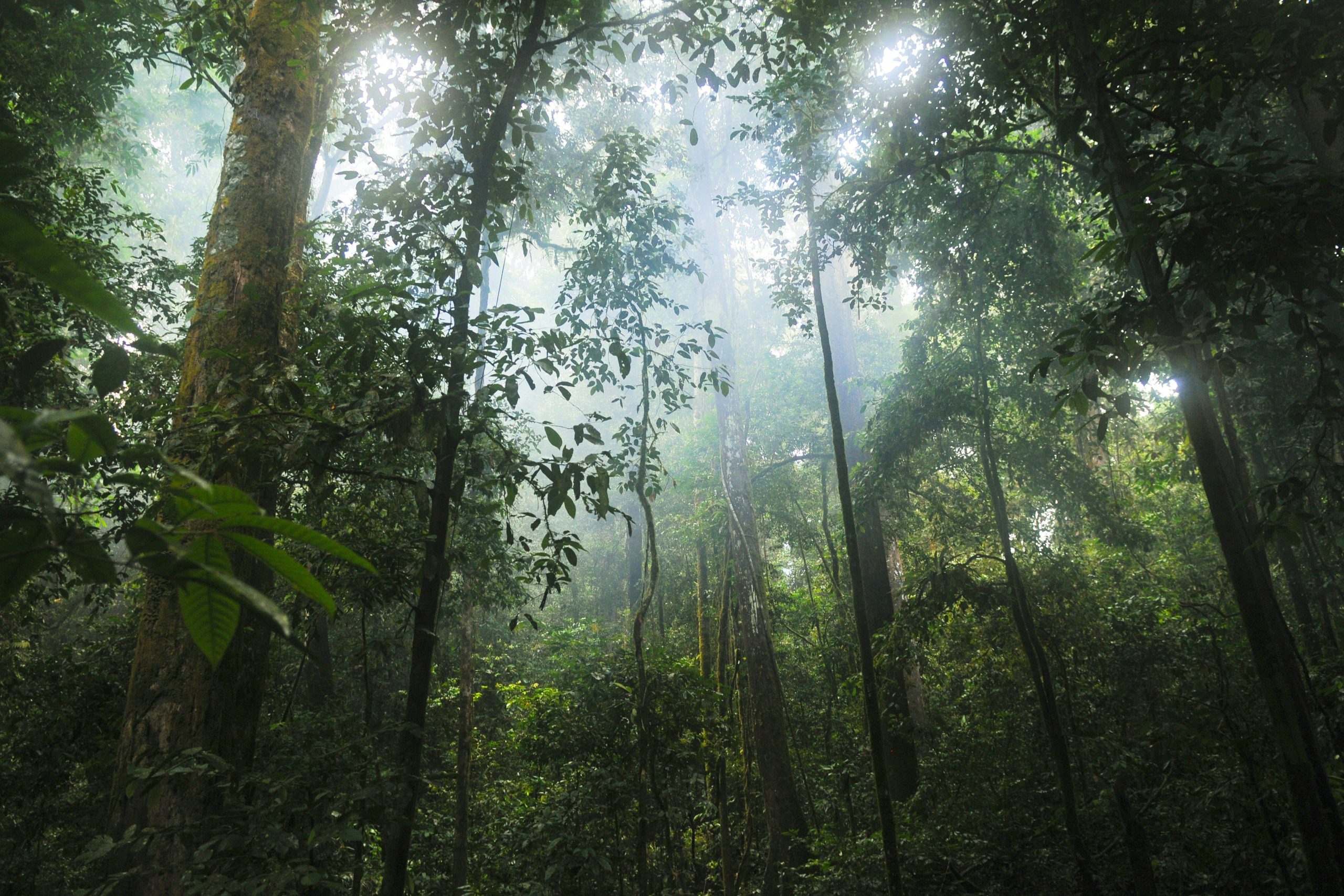
Biodiversity means more than just species diversity. The term encompasses the full variety of life on our planet: the genetic diversity within species, the diversity of species themselves, and the diversity of the ecosystems in which they exist. To date, around two million species have been scientifically described – but estimates suggest that there may be up to ten million different species worldwide. Due to climatic conditions, many biodiversity hotspots are located in the Global South. Yet these sensitive ecosystems are increasingly under pressure – from deforestation, pollution, land-use conflicts, the climate crisis, poaching – and also from tourism. Questions of global justice and ecological responsibility are closely intertwined here.
Since tourism relies heavily on intact natural environments and biodiversity, this edition explores the line between protection and pressure. Our article from Ecuador highlights how conservation, sustainable tourism, and development can go hand in hand: the Maquipucuna reserve in the Cloud Forest protects rare species such as the spectacled bear and offers not only unique experiences for travellers but also income opportunities for local communities. A critical perspective from Aruba shows how mass tourism, shaped by colonial legacies, displaces biological and cultural diversity – and how local resistance movements are responding.
In Kenya and Indonesia, key conservation projects are under threat due to the withdrawal of Western donors from international development cooperation. Tourism is emerging as a potential solution – but also as a challenge: can it reliably fill the funding and responsibility gap? Finally, we look at zoos, museums, and botanical gardens as alternative learning spaces. Even without long-distance travel, they contribute to awareness and the protection of biodiversity.
Spectacled bear, anteater and kinkajou – Maquipucuna protects many rare species and helps to better understand their habitat.
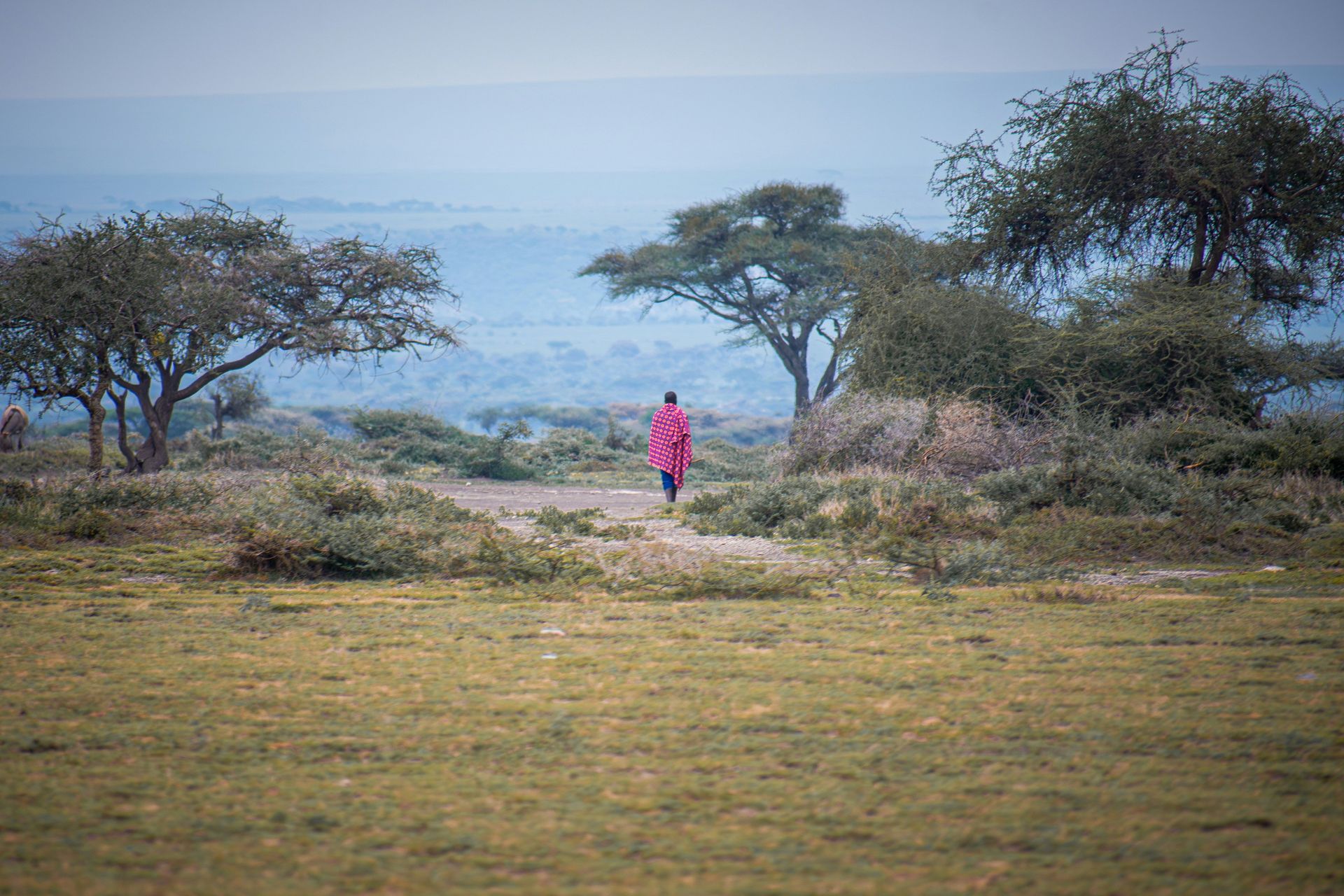
USAID cuts threaten biodiversity in Kenya and Indonesia. Sustainable tourism may help, but funding gaps remain a key challenge.
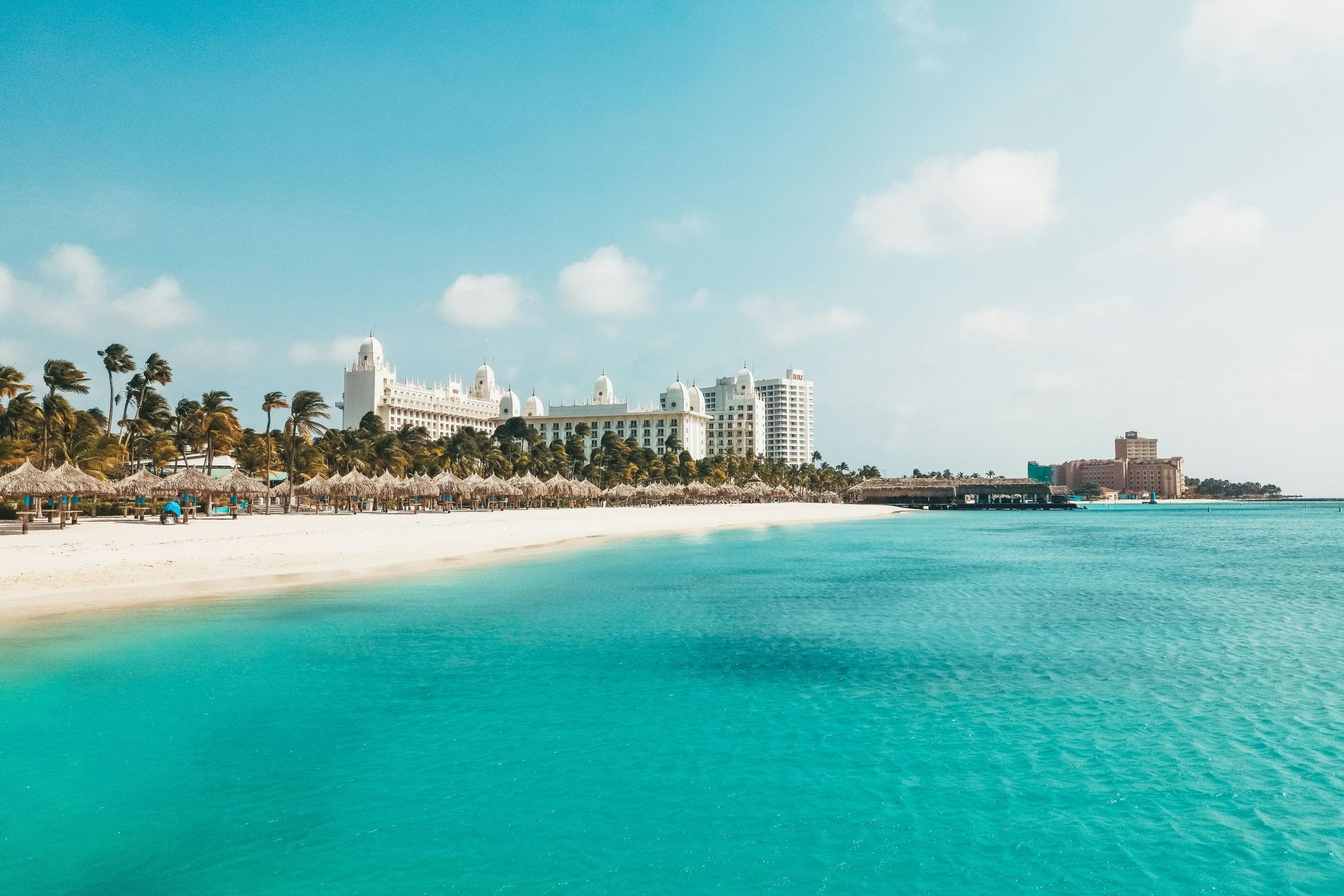
Aruba’s history is shaped by exploitation. Today, mass tourism threatens the paradise’s biodiversity – and its cultural identity.
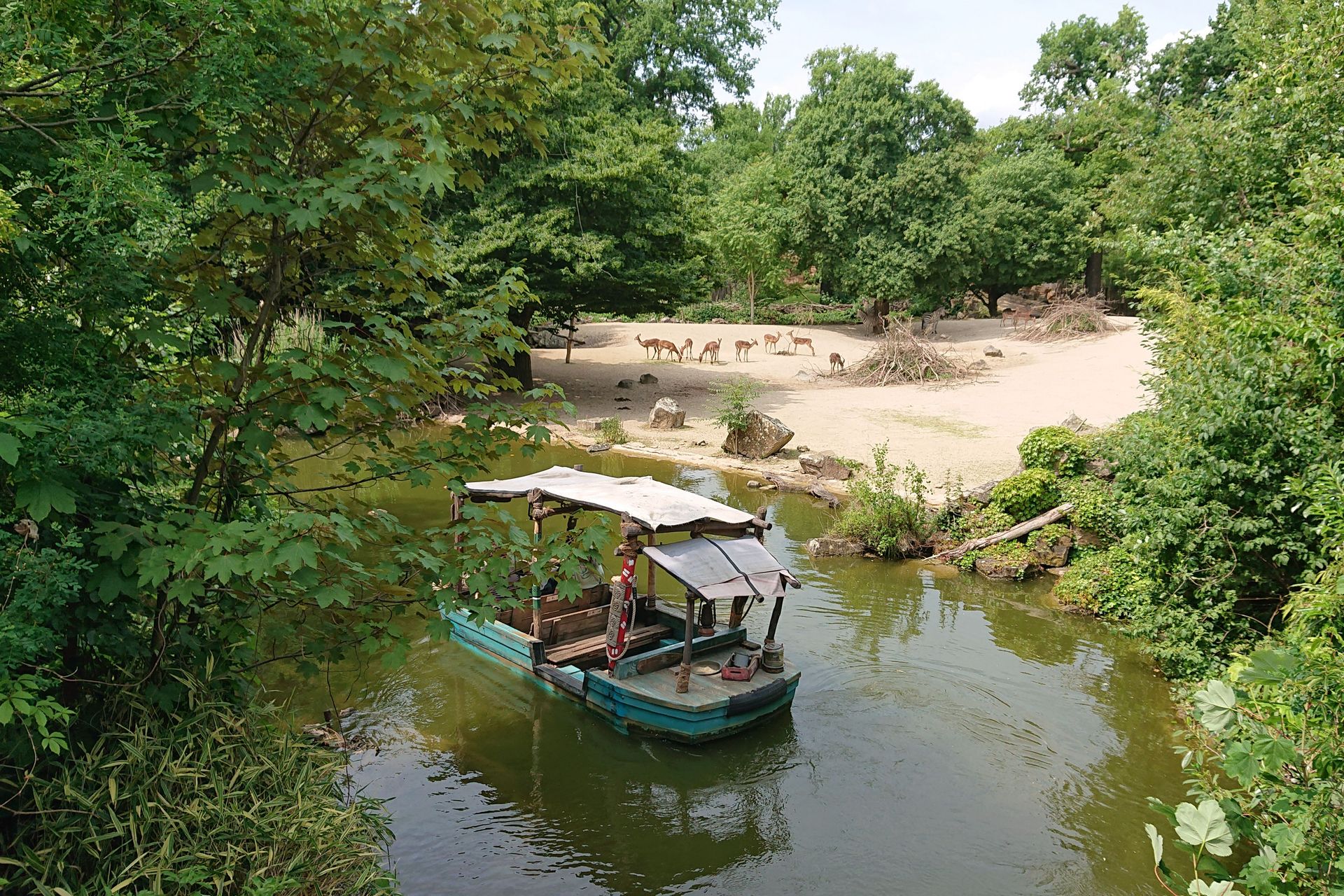
Zoos and museums can be valuable learning environments for biodiversity and sustainability.
A UN Tourism study shows that nature is central to tourism worldwide – but few national strategies include concrete measures to protect biodiversity.
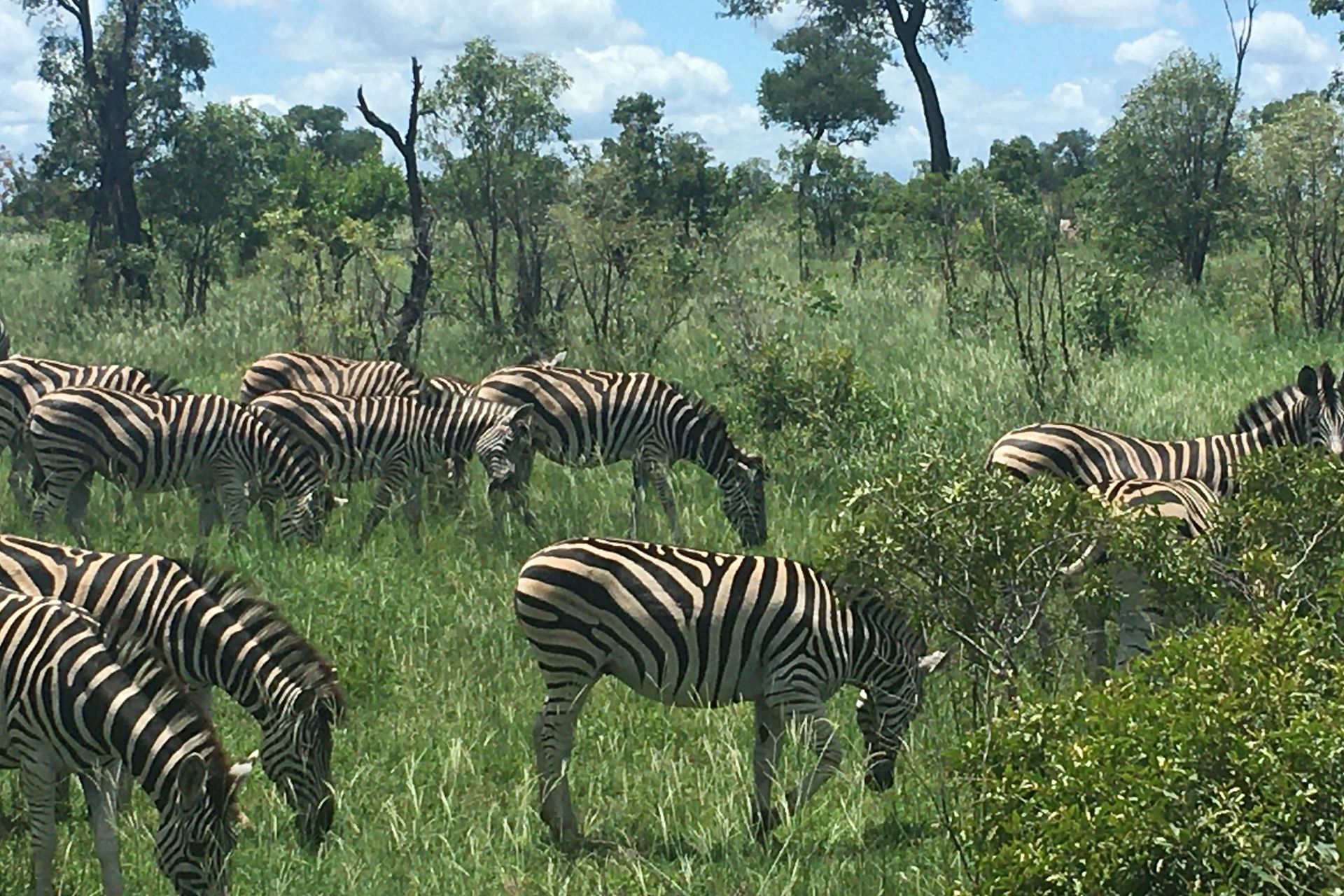
Across Africa, community-managed conservancies are proving to be a successful model for both biodiversity protection and local development.
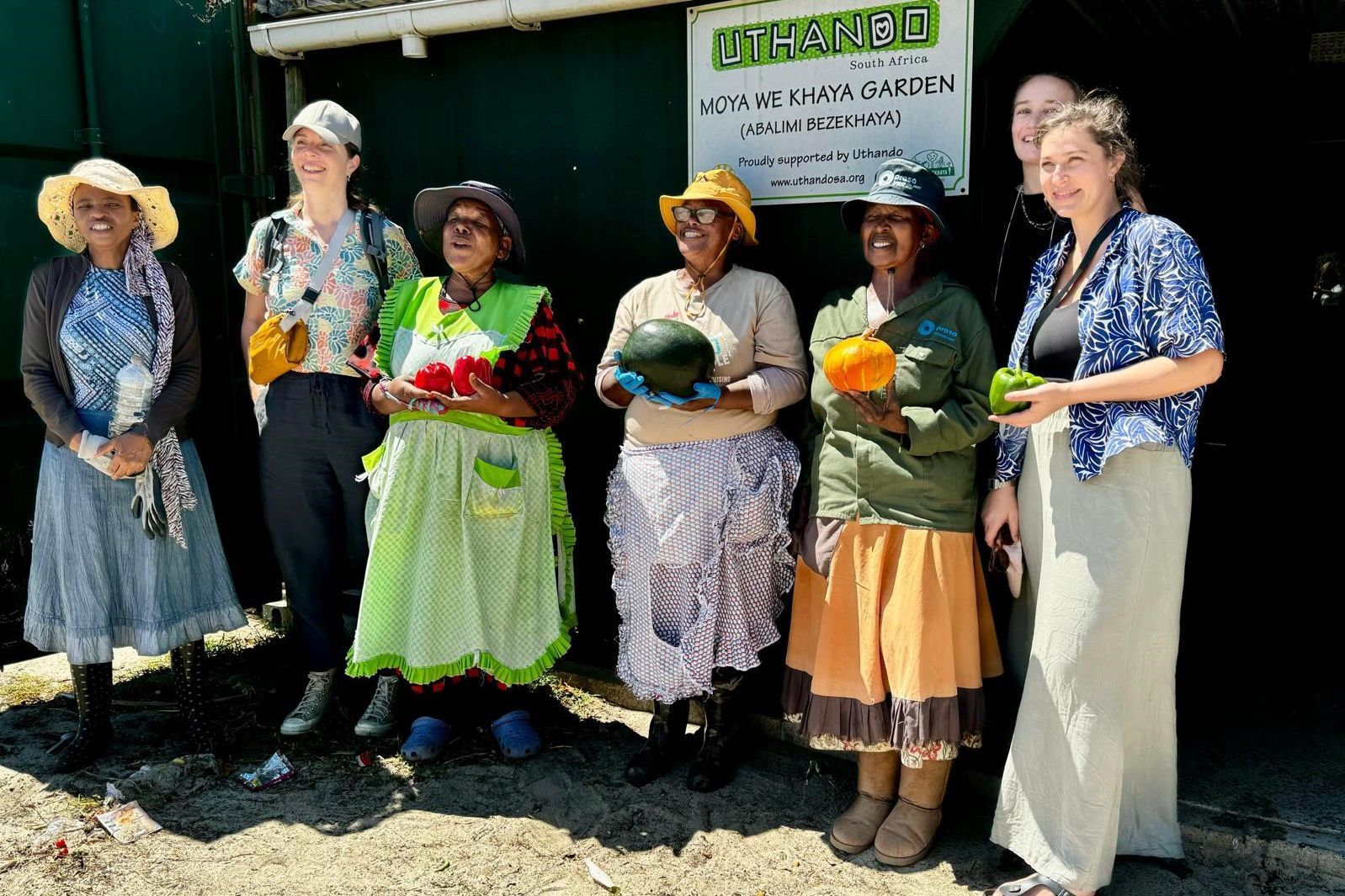
A new impact assessment analyzes social risks in South Africa’s tourism sector – with Brot für die Welt – Tourism Watch as a core partner.

Once again, this year the Studienkreis für Tourismus und Entwicklung e.V. is awarding the international To Do Award, which recognizes projects in the field of socially responsible tourism as part of a competition. Private tourism companies and organizations, public institutions and other legal entities are invited to participate. An essential condition for participation is the active involvement