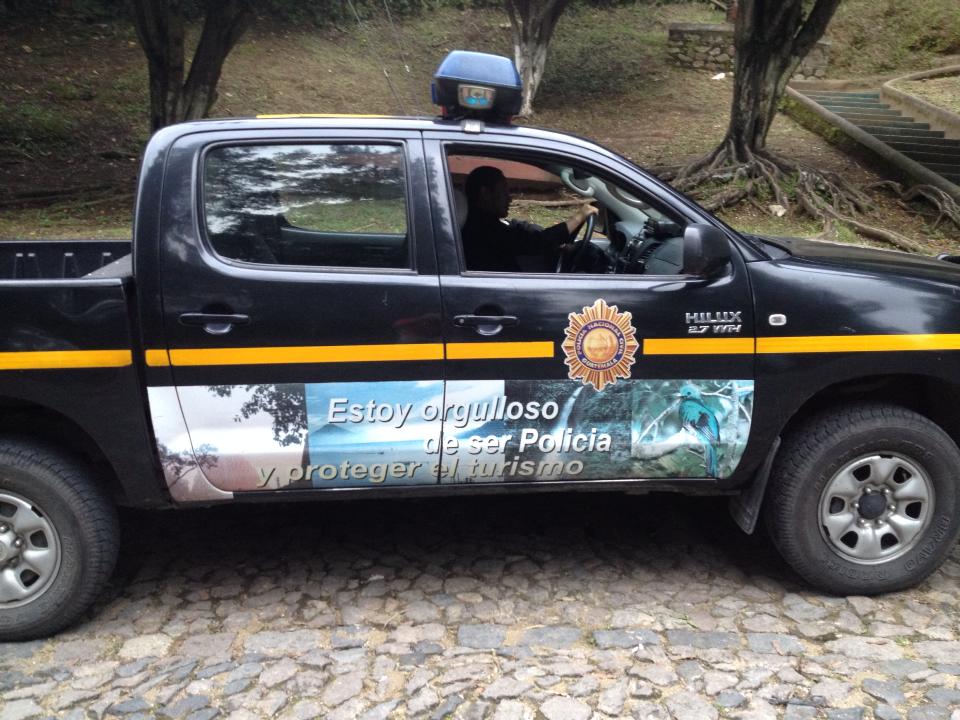
Paradoxes of tourism, security and racial dynamics in favelas of Rio de Janeiro, Brazil
Violence is part of everyday life for many favela residents. When tourists are affected, it receives international media attention.
Ladies and Gentlemen,
Dear Friends,
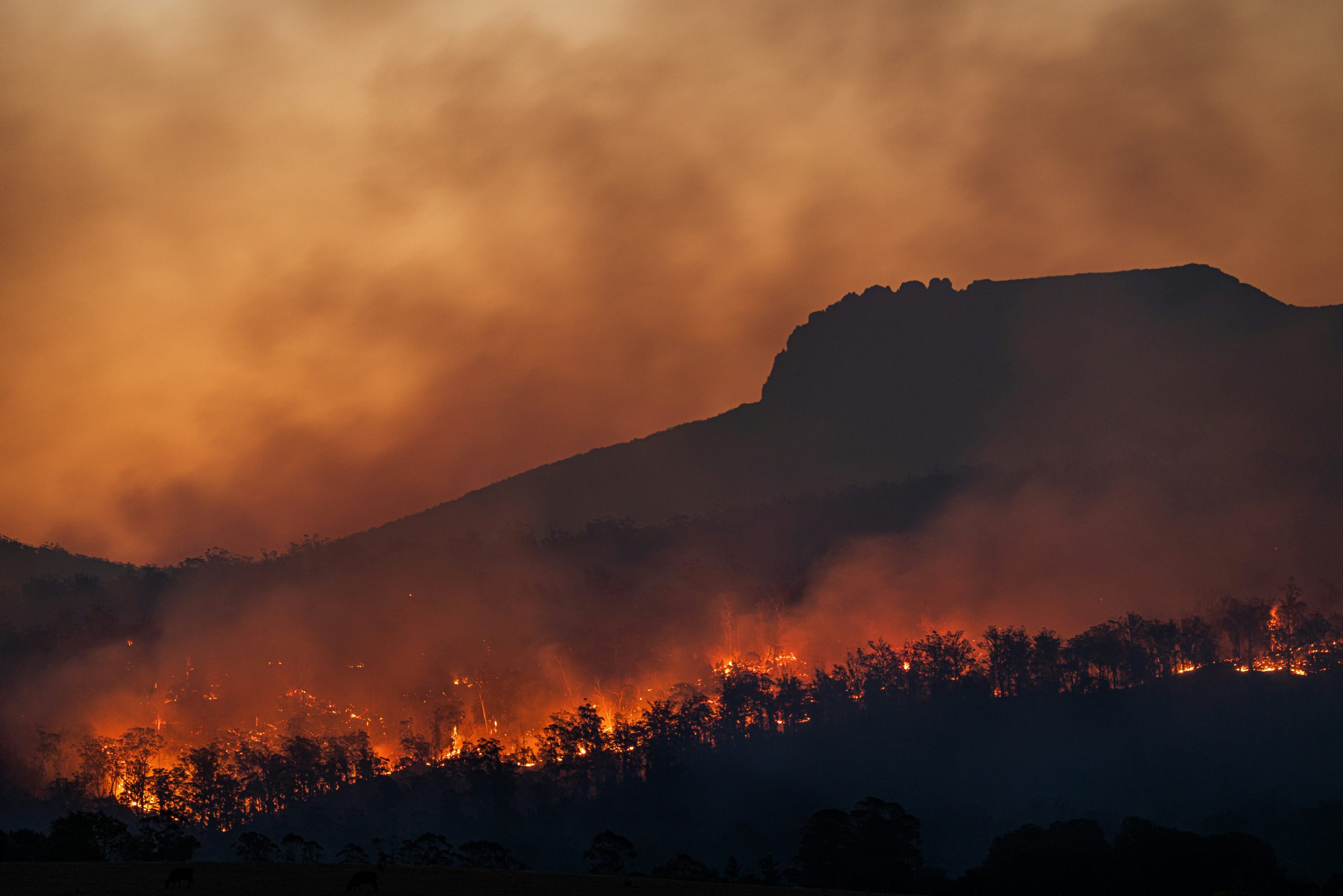
As people in the Pacific islands find sea levels rising and water reservoirs turning salty, and the Maldives government is planning land acquisitions to resettle up to 400,000 people, these are more than slight indications of a looming climate change.
The Lakhshadweep islands in India are another example: Those who have contributed the least to climate change will be affected the most. Though there is a political consensus that temperatures must not rise beyond two degrees Celsius, there are hardly any signs that similar amounts will be invested in climate change mitigation, adaptation, disaster preparedness and resettlement as have been made available to save banks and stabilise the eroding economy. It remains unclear if and when the tourism industry, which is part of the problem, will understand that “business as usual” is no solution.
As tourism has hardly played a role in climate reports and negotiations, tourism NGOs and allied networks have joined hands in demanding a more active commitment of the tourism industry and its international business associations.
We hope that you will find our coverage of the tourism and climate change nexus useful and look forward to your critical and constructive feedback.
Yours faithfully,
Heinz Fuchs Christina Kamp

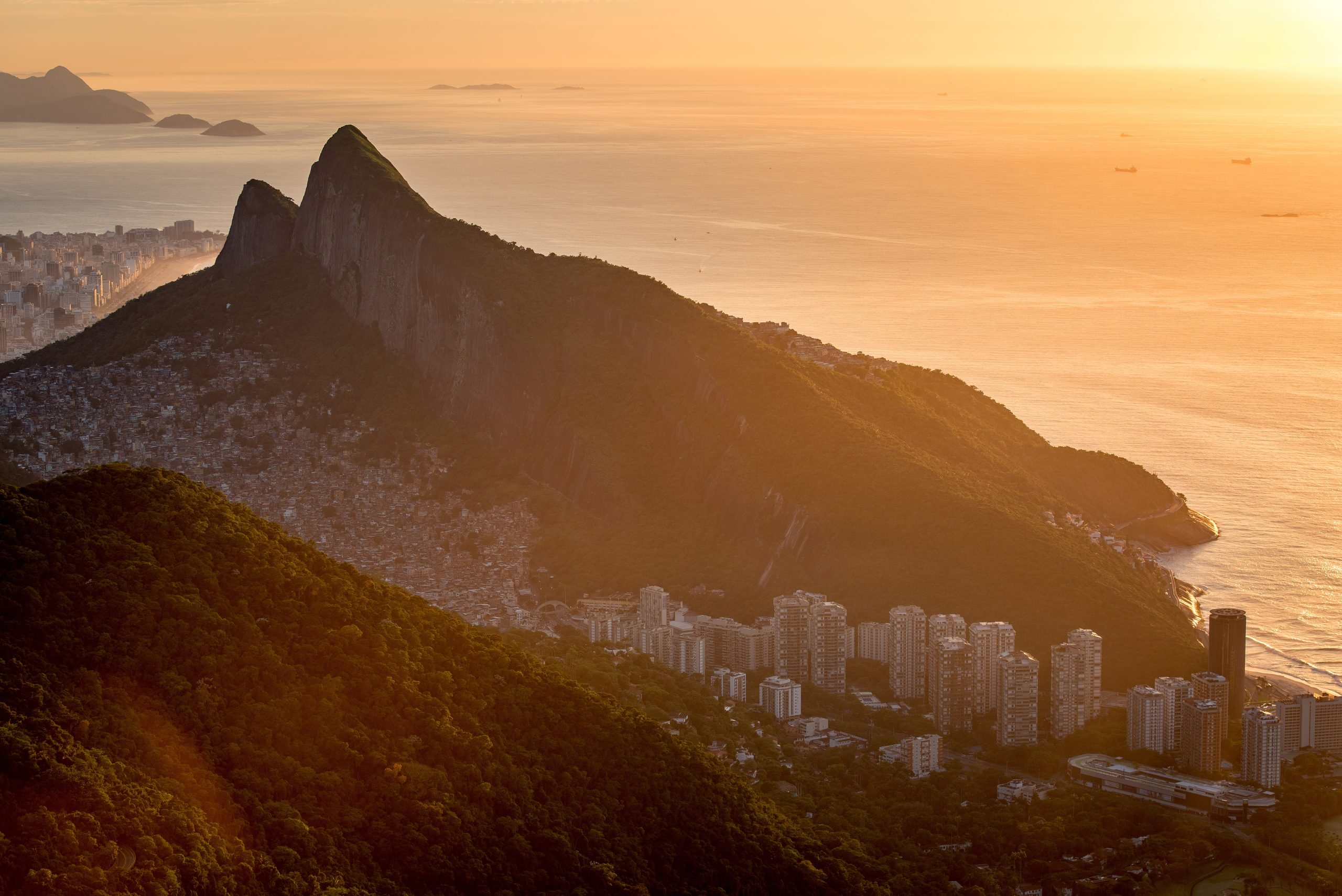
Violence is part of everyday life for many favela residents. When tourists are affected, it receives international media attention.

Measures to protect tourists and tourism infrastructure can reinforce insecurity and undermine sustainable development in local communities.

Global crises can rapidly change security situations. Careful risk assessment helps tourism companies and travellers respond appropriately.

Digital technologies are transforming tourism. Now is the time to shape the rules that will guide this transformation.

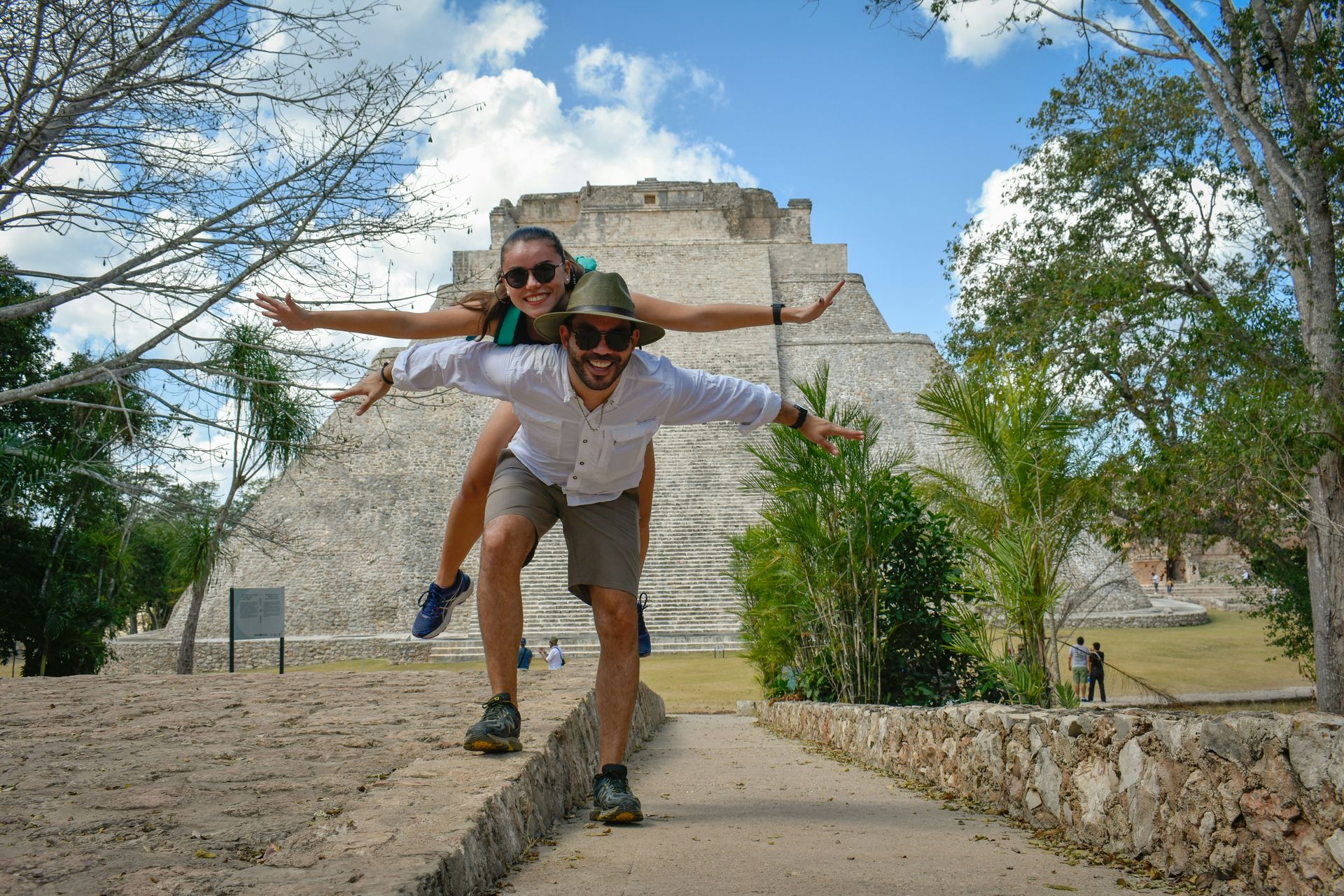
Visible diversity alone is not enough for equitable tourism. Inclusion requires structural change and meaningful participation.

The “Decolonial Travel Guide Tanzania” centres local perspectives and presents travel as a shared learning process.

Travel guidebooks shape what is considered worth seeing – often overlooking the lives and perspectives of local communities.

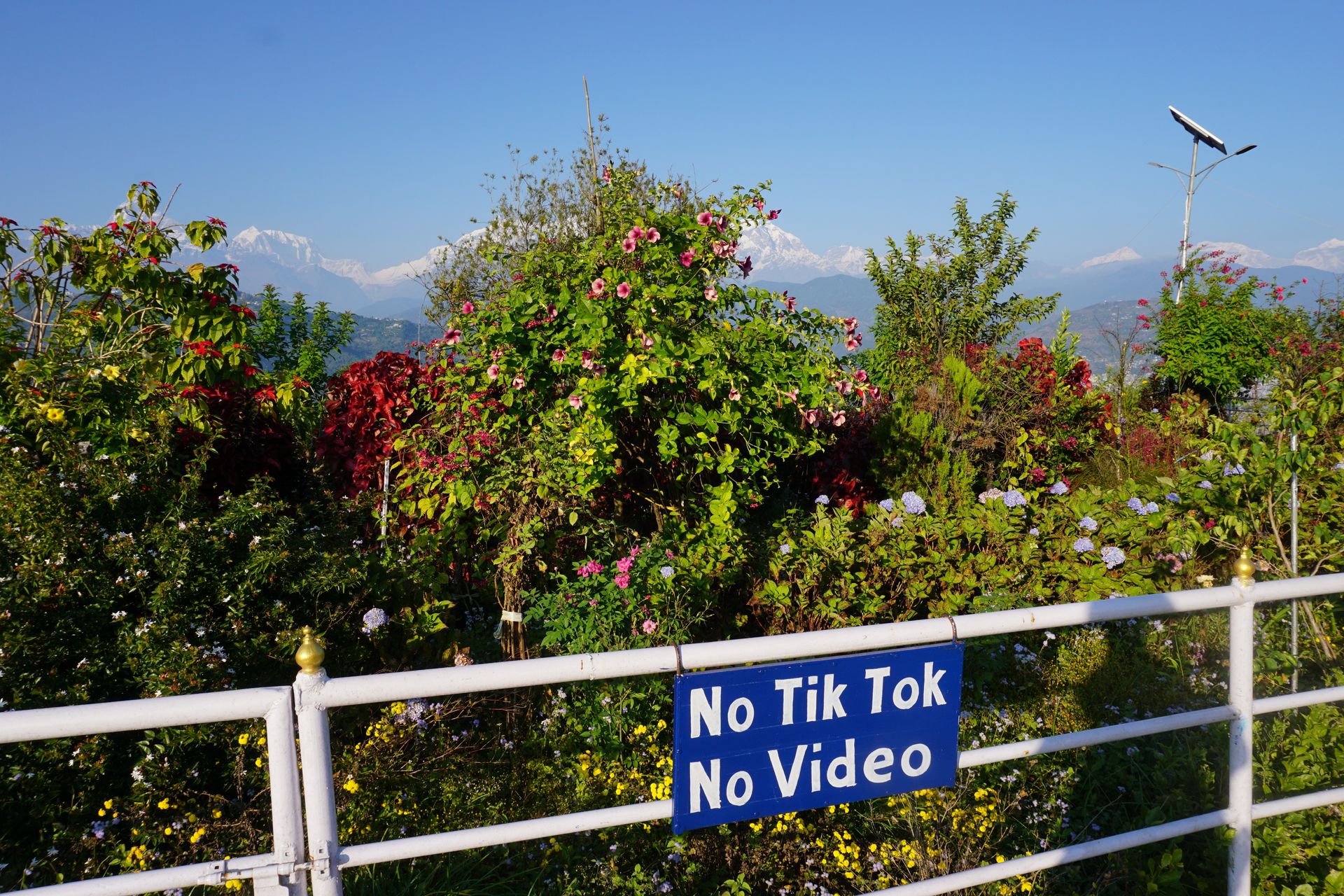
Social media shapes travel decisions, puts destinations in the spotlight, but can also reinforce overtourism and stereotypical portrayals.

Digital travel guides make it easier to navigate destinations, but local knowledge often becomes accessible only through personal encounters.

Study: Perceptions of home influence how travellers view destinations – and which places they find most attractive.