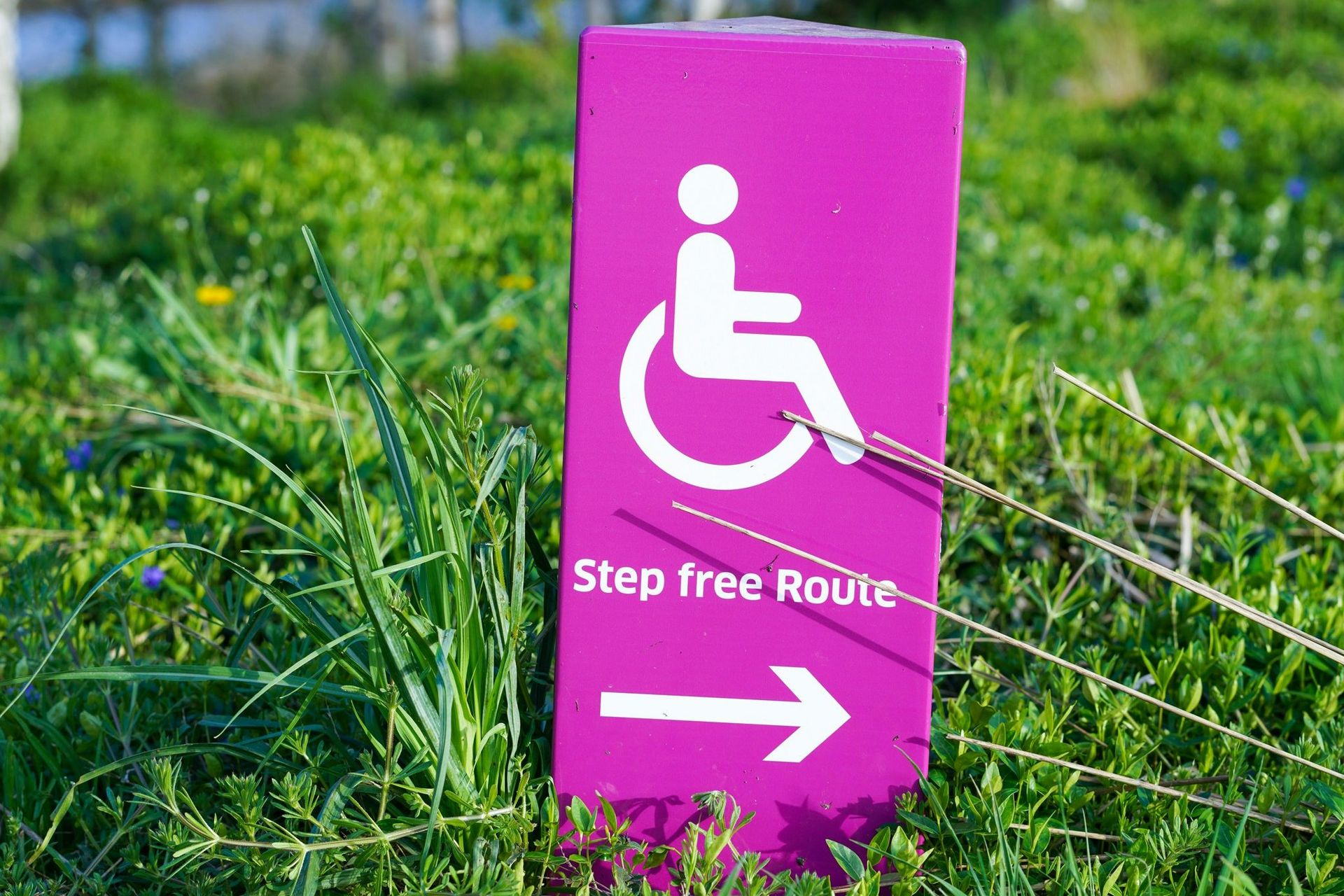
Travel represents freedom and self-determination. However, for many people with disabilities, it remains a challenge—whether due to inaccessible transportation, lack of information, or limited access to accommodations and tourist attractions. Yet, inclusive tourism is about more than accessibility; it is a driver of social participation and economic opportunity. Many travellers with disabilities are accompanied, significantly increasing the number of potential guests. Step-free pathways, accessible transportation, and clear, easy-to-understand information benefit everyone—from parents with strollers to older adults. As highlighted in our feature article, accessibility in tourism goes beyond physical infrastructure; it is about fostering social inclusion, promoting economic justice, and ensuring cultural sensitivity.
How can travel be made accessible for all? A remarkable example is Neha Arora, founder of Planet Abled in India. Her company creates inclusive and accessible travel experiences where people with and without disabilities explore destinations together. In recognition of her outstanding commitment, she will be honored with the 2025 TO DO Award Human Rights at ITB Berlin. Thailand also demonstrates how community-based tourism can advance inclusion. Investments in accessible infrastructure, along with targeted training for local providers, help create sustainable tourism models that strengthen local structures and expand economic opportunities.
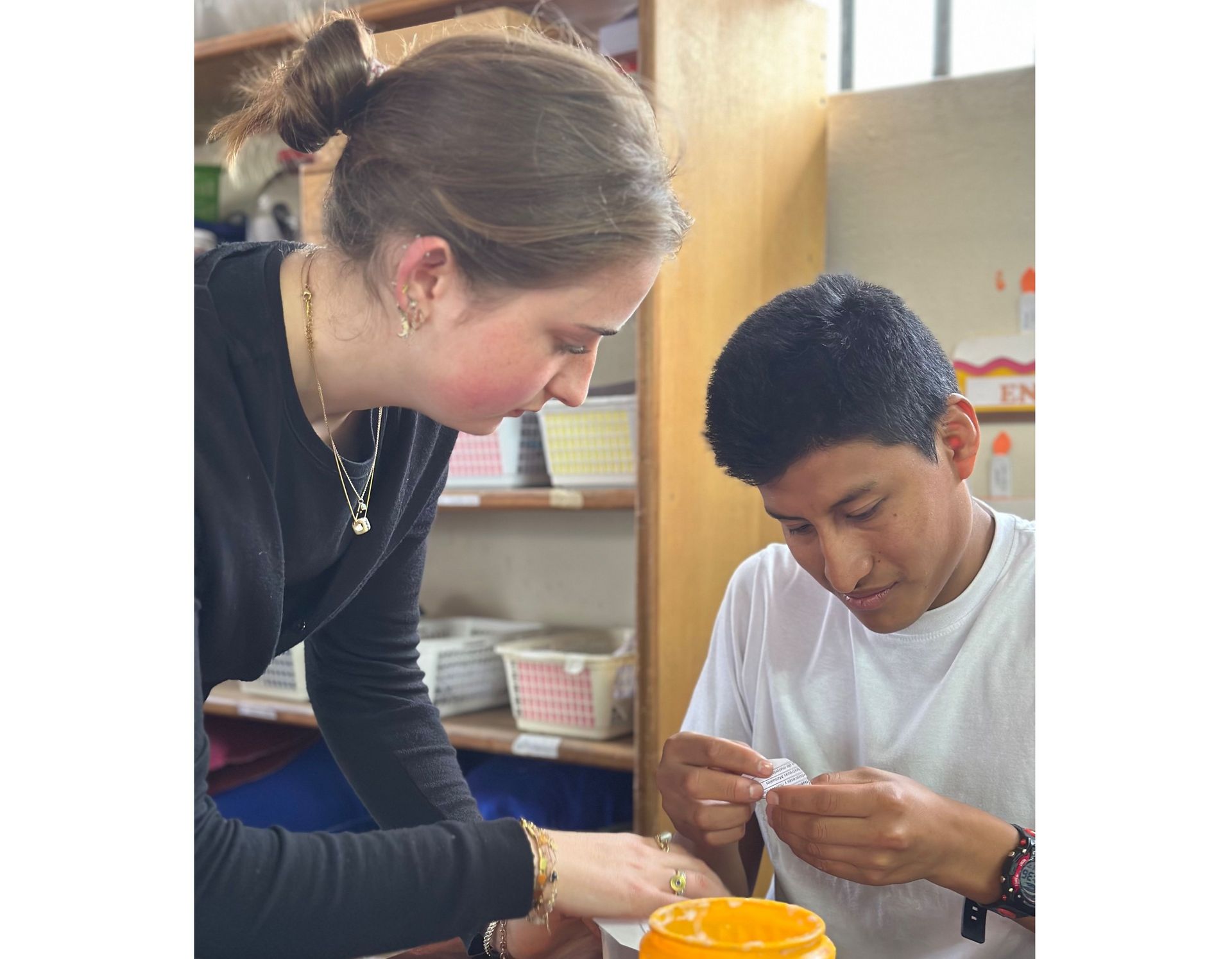
Lastly, participants in the weltwärts volunteer programme share how inclusive initiatives contribute to global learning experiences and social change.