If Corona were not a cross-border, invisibly spreading health hazard, but rather an extremely prolonged period of rain, long-distance tourism would boom and garden centers would suffer. The opposite is the case – but the thought process makes it clear that the impact on industries and economic sectors is rather random.
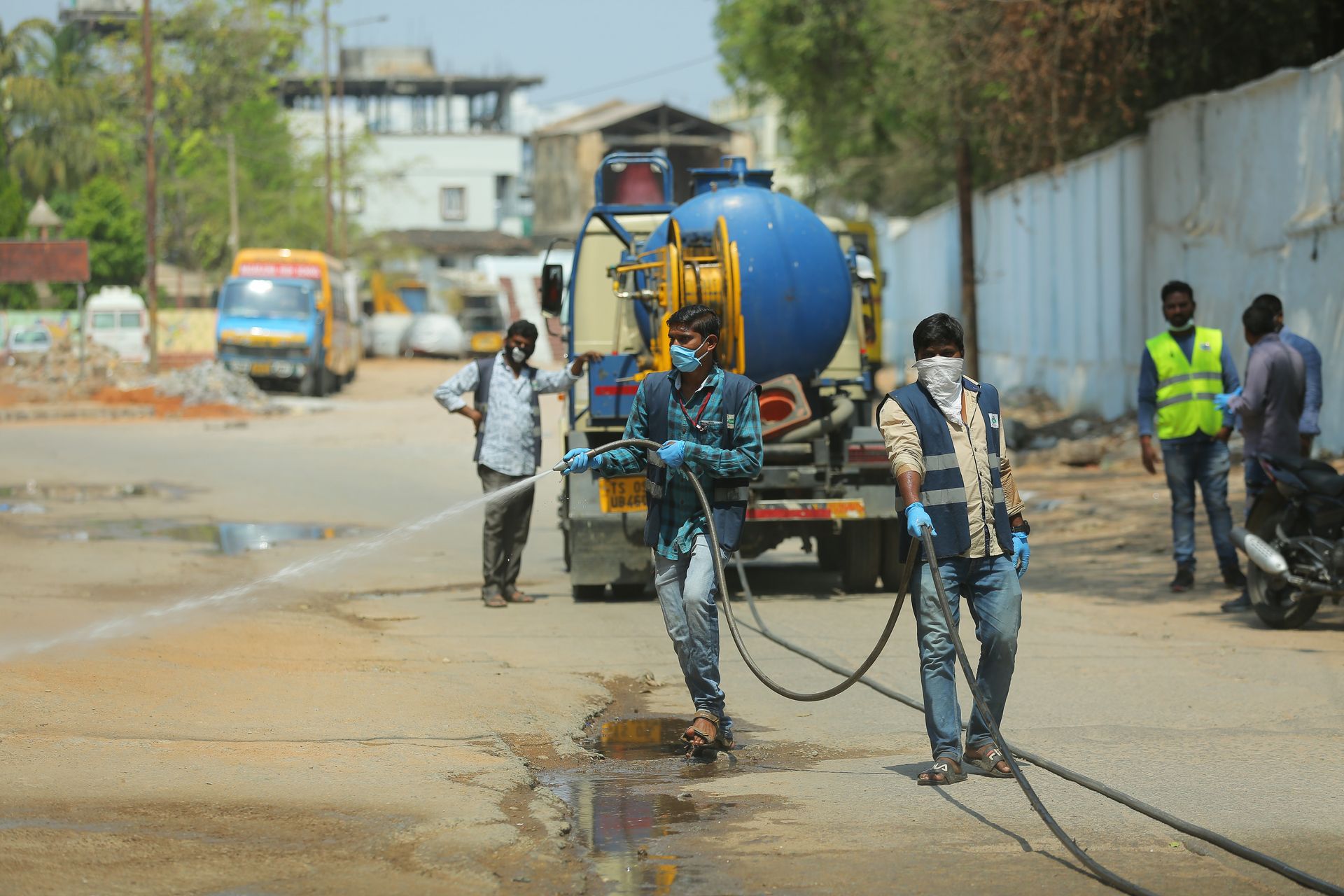
If we focus on people and not on economic sectors, it becomes clear that the virus does not affect all working people equally and that it is certainly no coincidence which people fall ill most frequently: there is a pyramid of people affected – a few at the very top who were able to switch to the home office with good pay and security and many who are often poorly paid and hardly have the opportunity to keep their distance from customers, colleagues and patients.
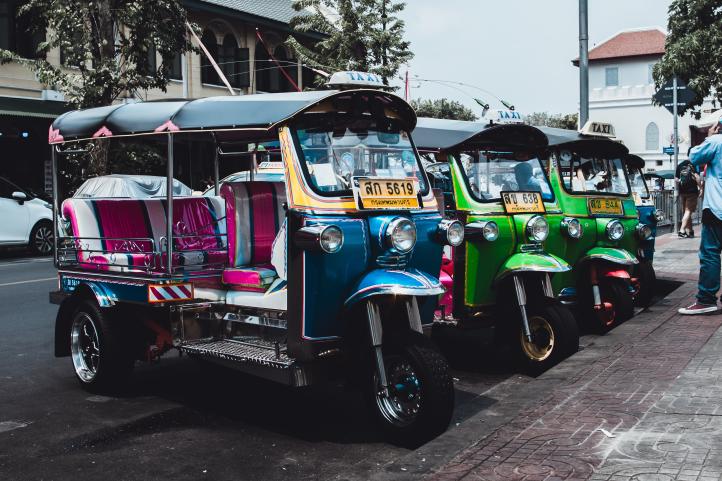
Same is true in tourism: the lower down the hierarchy of work, the more dangerous and life-threatening it becomes. The work chain in tourism is long and has everything to offer: From highly paid managers and company founders, to the millions of people who often clean hotel rooms invisibly as employees of contract agencies, to the countless people in the informal sector who try every day – whether as rickshaw drivers or beach vendors – to use their chance to earn a few cents or dollars in tourism.
This Tourism Watch is dedicated to all those who work in tourism – and who are currently asking themselves existentially how proceed. We look at the often still stuck Filipino seafarers and the situation of other international migrant workers who lose their jobs and are too often stranded in foreign countries without access to social systems. We learn about the hunger and desperation of millions of Indians in the informal sector and get to know women from Colombia, Thailand and South Africa who want to continue in tourism despite all adversities. And we take a look at safari tourism in Africa: Here, the preservation of jobs and continued payment of wages is not only existential for the affected people and their families, but also the basis for the protection of wildlife and thus, in the long term, for the business model – so that safari tourism can still exist after Corona.