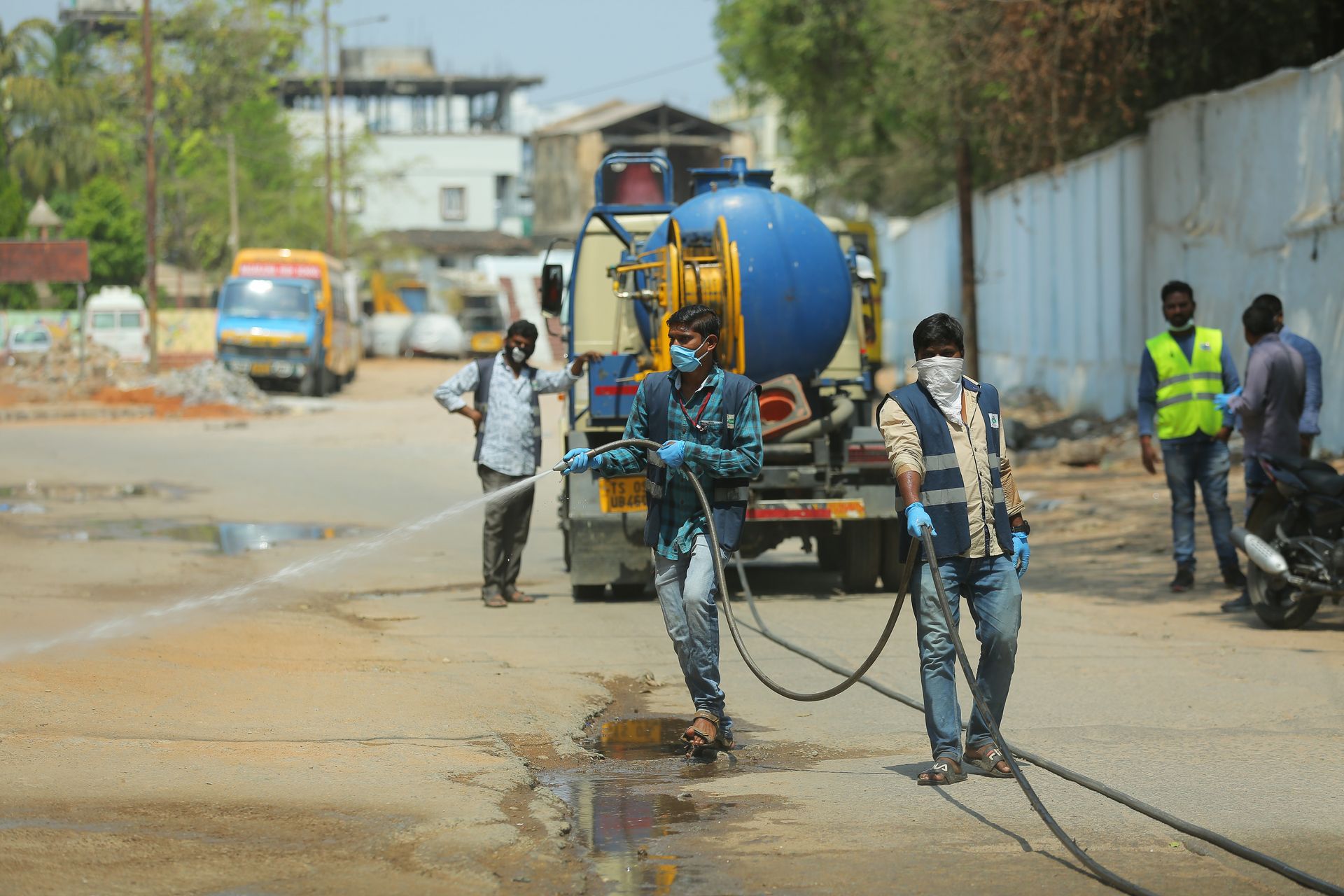
© Sujeeth Potla - Unsplash
06.09.2020
From Empty Hand to Mouth
In India, the informal sector has been hard hit by the COVID-19 pandemic. A study now provides insights into the extent of the precariousness and coping mechanisms.
Read more

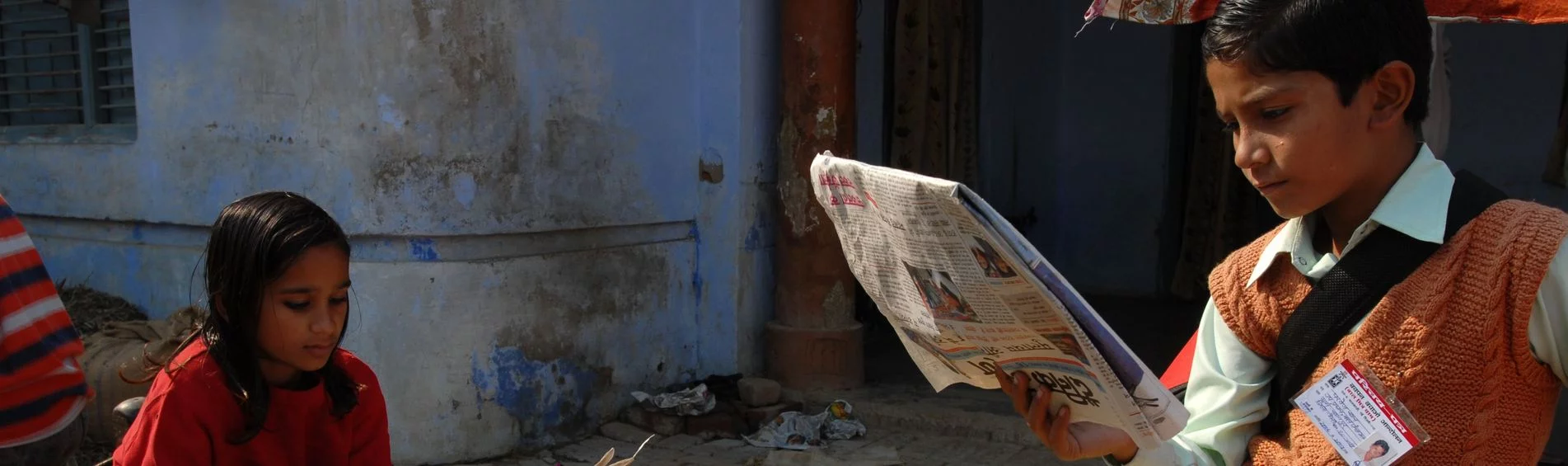
In India, the informal sector has been hard hit by the COVID-19 pandemic. A study now provides insights into the extent of the precariousness and coping mechanisms.

Women are predominant in tourism employment. But COVID-19 has revealed structural inequalities that are hitting female employees in the travel industry particularly hard.
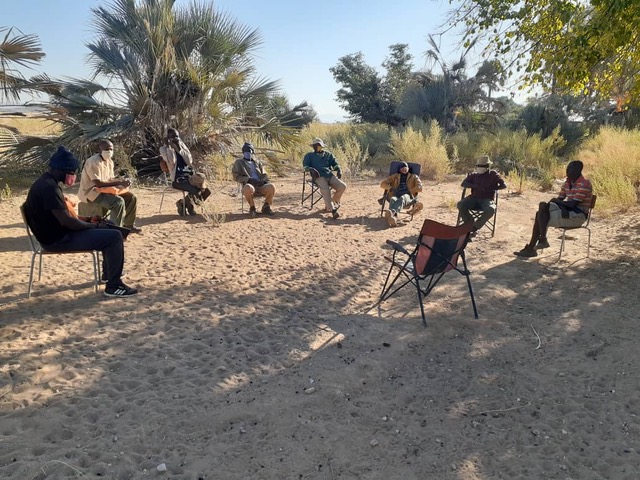
Animal welfare activists, development workers and NGOs report that poaching is increasing again in times of pandemic lockdown. This could also be due to a lack of income from tourism.
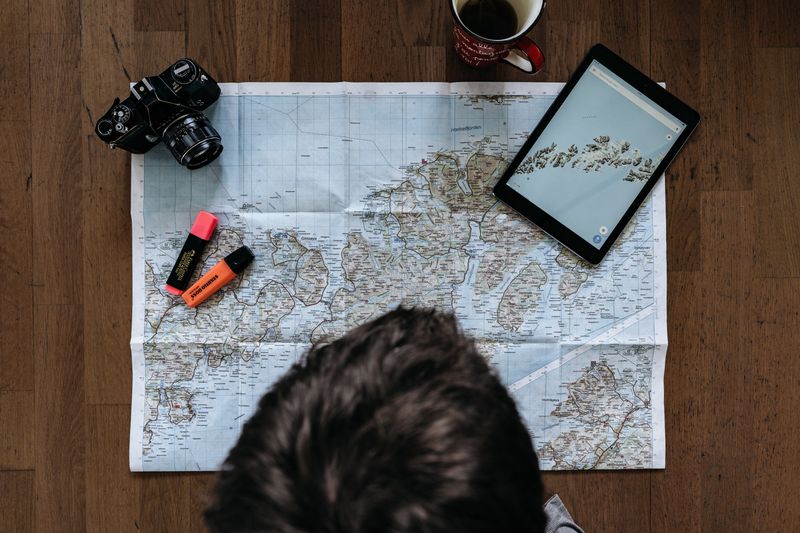
Virtual travel experiences can help tourism providers achieve a low income in times of crisis and give access to places and encounters – even without being on site.
According to the latest ILO Report on COVID-19, a number of key economic sectors are suffering from a drastic fall in outputs. How to respond to the challanges that the workers in food and accomodation service face?
While sustainable tourism is implicit in the idea of the World Heritage, unsustainable tourism is increasingly morphing into a threat to the sites.
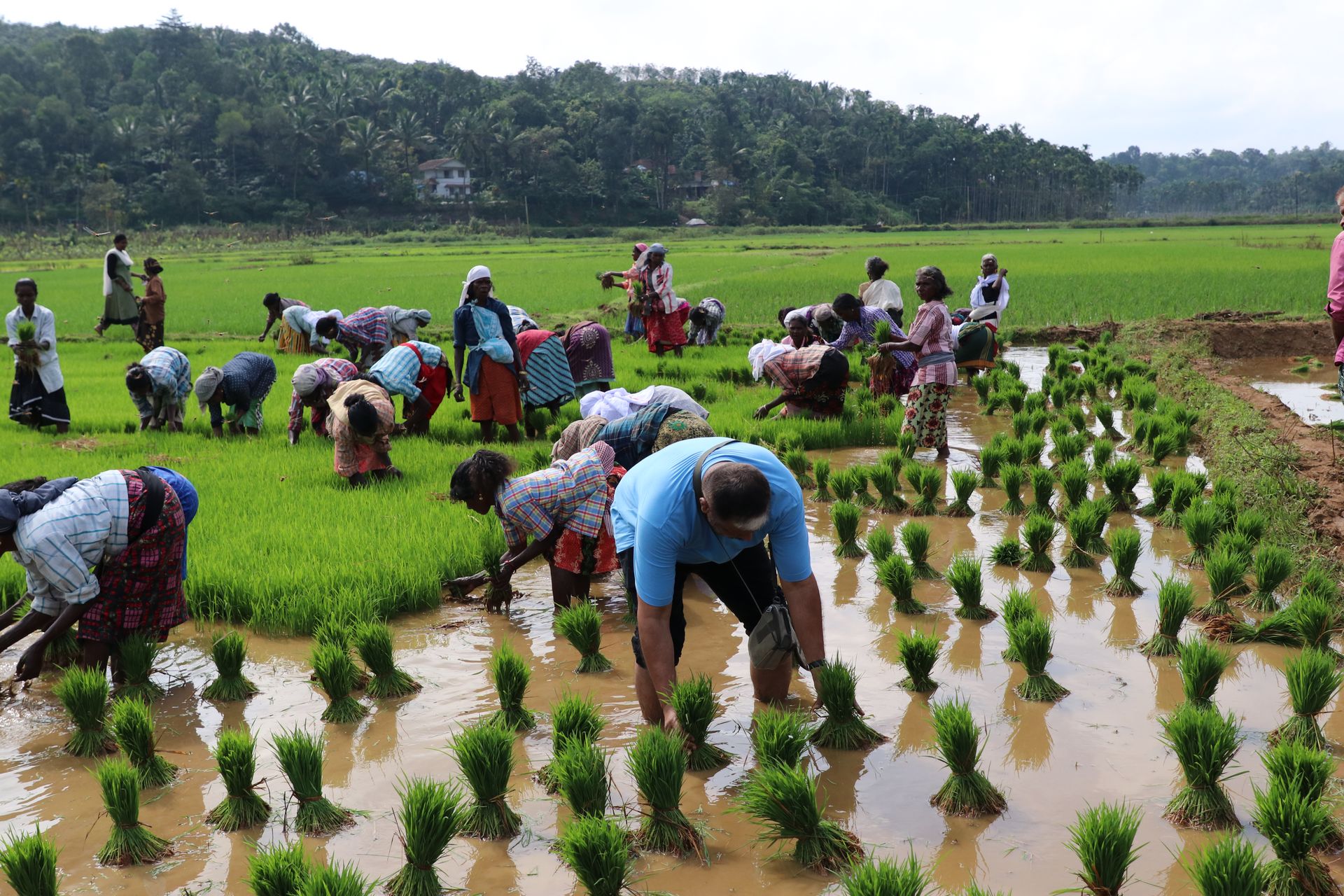
Due to the corona-crisis, the tourism industry is facing enormous challenges. The pandemic shows which providers and entrepreneurs are more resilient than others. A report from India.
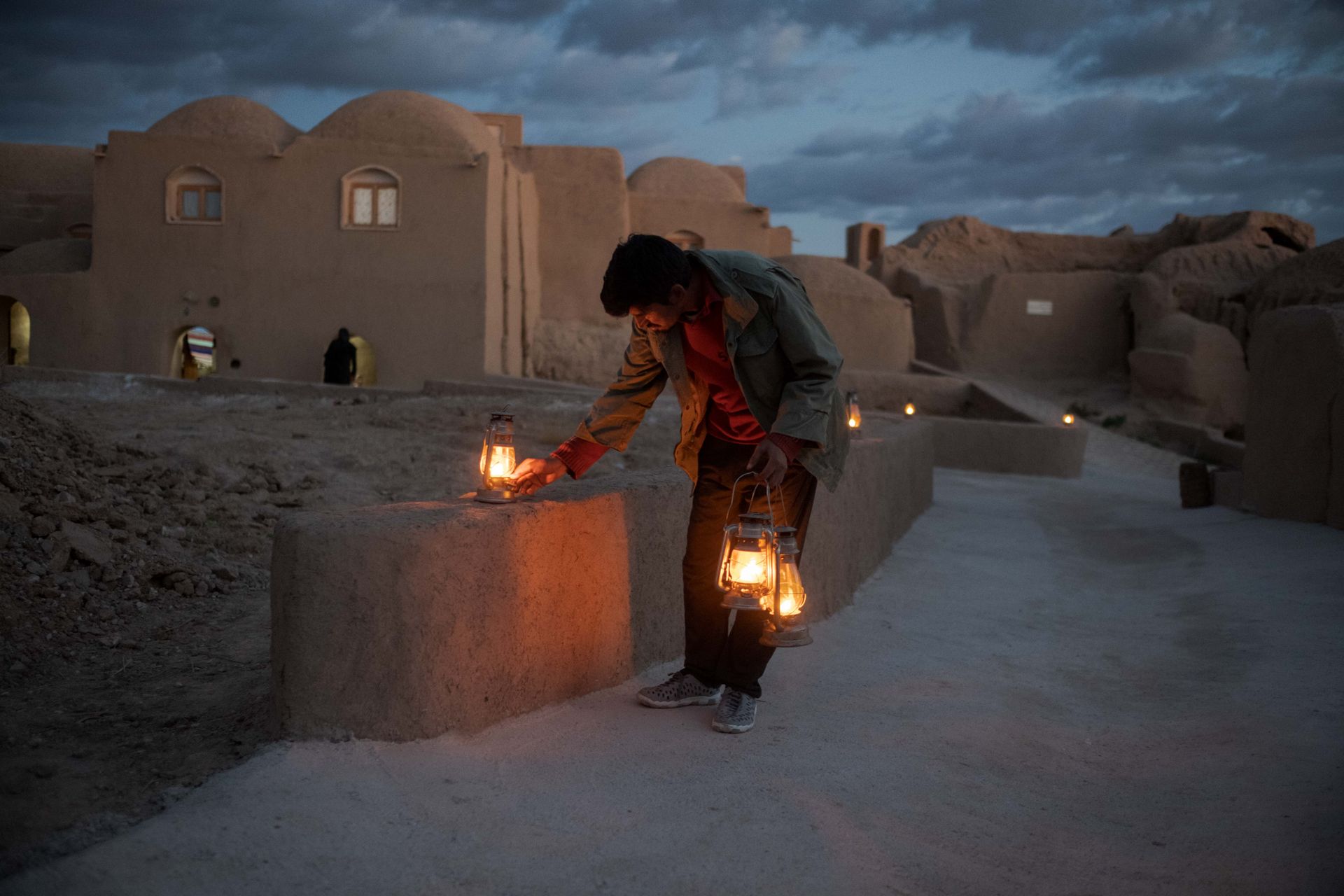
Iran is not only fighting COVID-19. Political crises, trade sanctions, environmental disasters and a weak economy are pervasive. How do local tourism initiatives react?
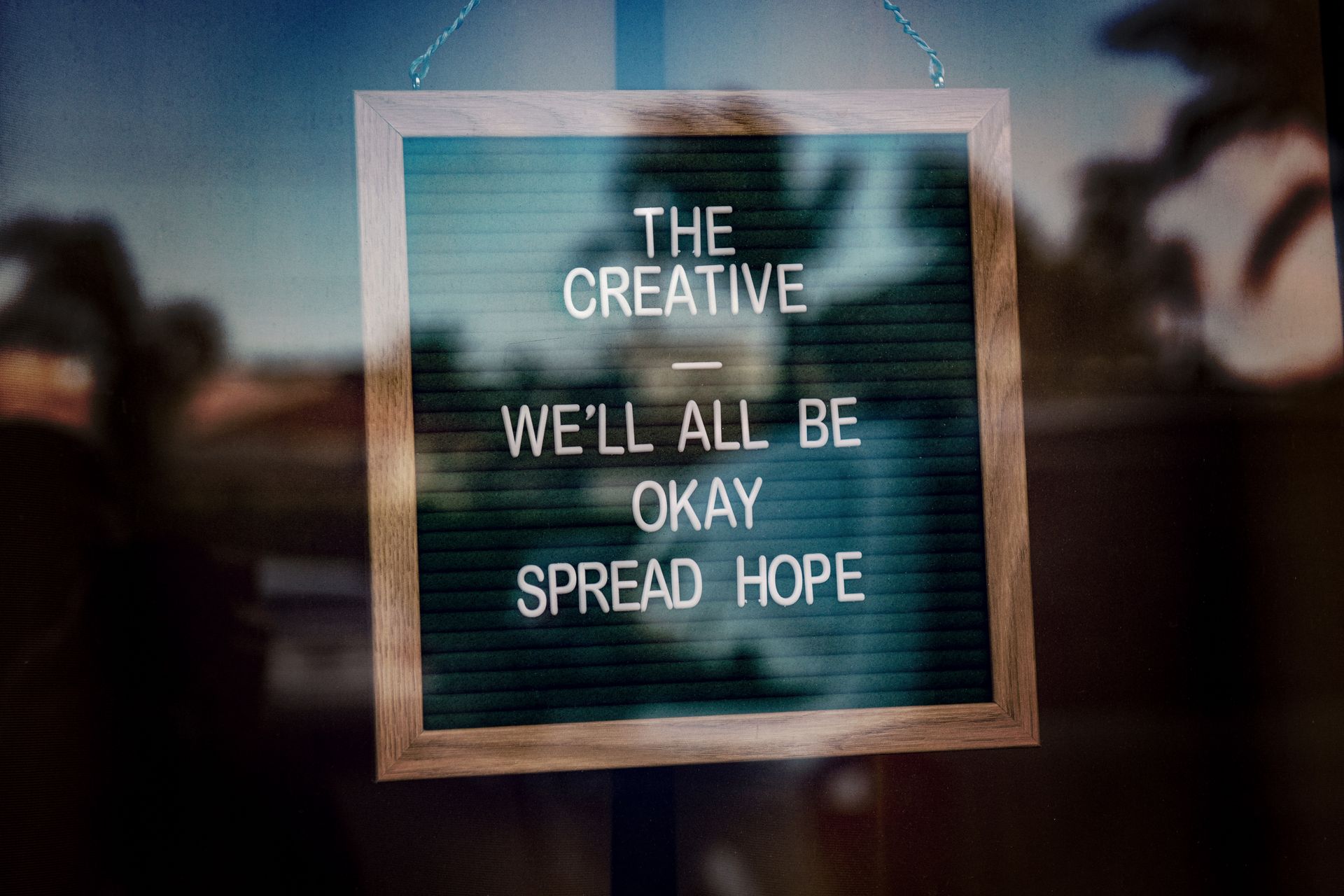
Resilience is the new buzz word. It is more than just returning to the old tourism models – which were neither sustainable nor resilient – but to learn from the crises to be better prepared for the next one.
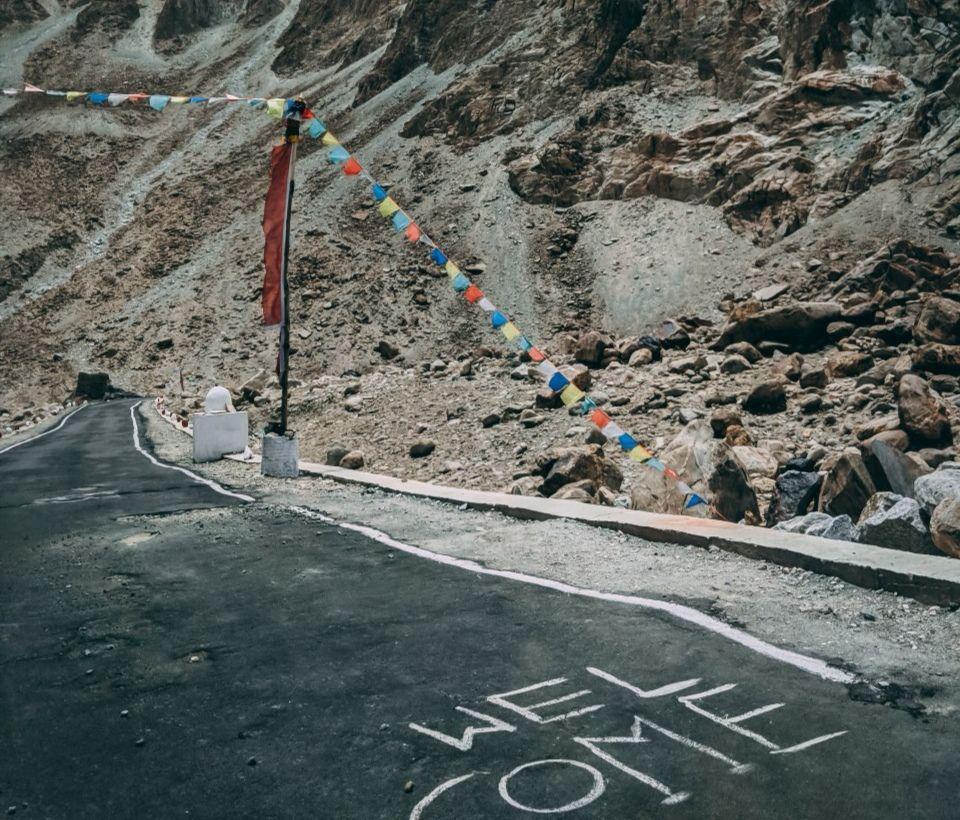
In many countries public programmes are trying to stabilize the tourism sector. Against the background of already existing problems of the sector, how can such programmes transform tourism.