Paradoxes of tourism, security and racial dynamics in favelas of Rio de Janeiro, Brazil
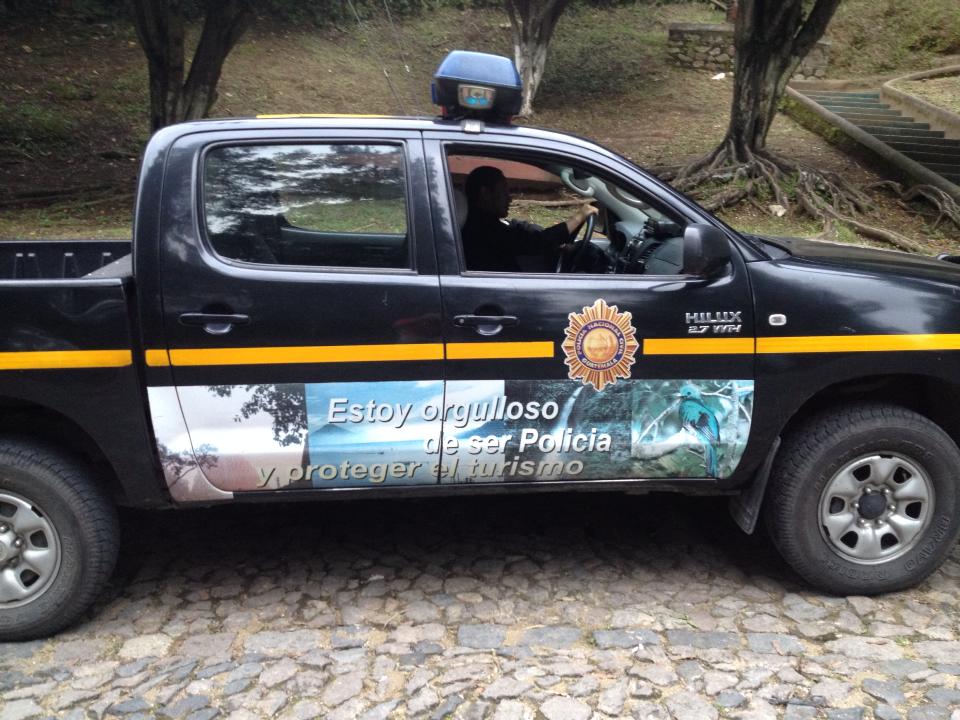
Violence is part of everyday life for many favela residents. When tourists are affected, it receives international media attention.
Focus on Climate Change
The international debate on tourism and climate change needs to be widened to include a human rights based approach. This is one of the main messages to tourism leaders formulated by a group of civil society organisations, including EED-Tourism Watch, in a discussion paper on the occasion of World Tourism Day 2008. This year’s World Tourism Day will be celebrated by the World Tourism Organization (UNWTO) on 27th September in Peru.
The NGO document “Another tourism is possible!”, along with a statement from the Ecumenical Coalition on Tourism (ECOT), is an input to a “pre-event” organised by NGOs in Peru which is planned to take place from 25th to 26th September in Lima.
This edition of TourismWatch with a focus on climate change provides further background information and inputs to the discussion.


Violence is part of everyday life for many favela residents. When tourists are affected, it receives international media attention.

Measures to protect tourists and tourism infrastructure can reinforce insecurity and undermine sustainable development in local communities.

Global crises can rapidly change security situations. Careful risk assessment helps tourism companies and travellers respond appropriately.

Digital technologies are transforming tourism. Now is the time to shape the rules that will guide this transformation.

Visible diversity alone is not enough for equitable tourism. Inclusion requires structural change and meaningful participation.

The “Decolonial Travel Guide Tanzania” centres local perspectives and presents travel as a shared learning process.

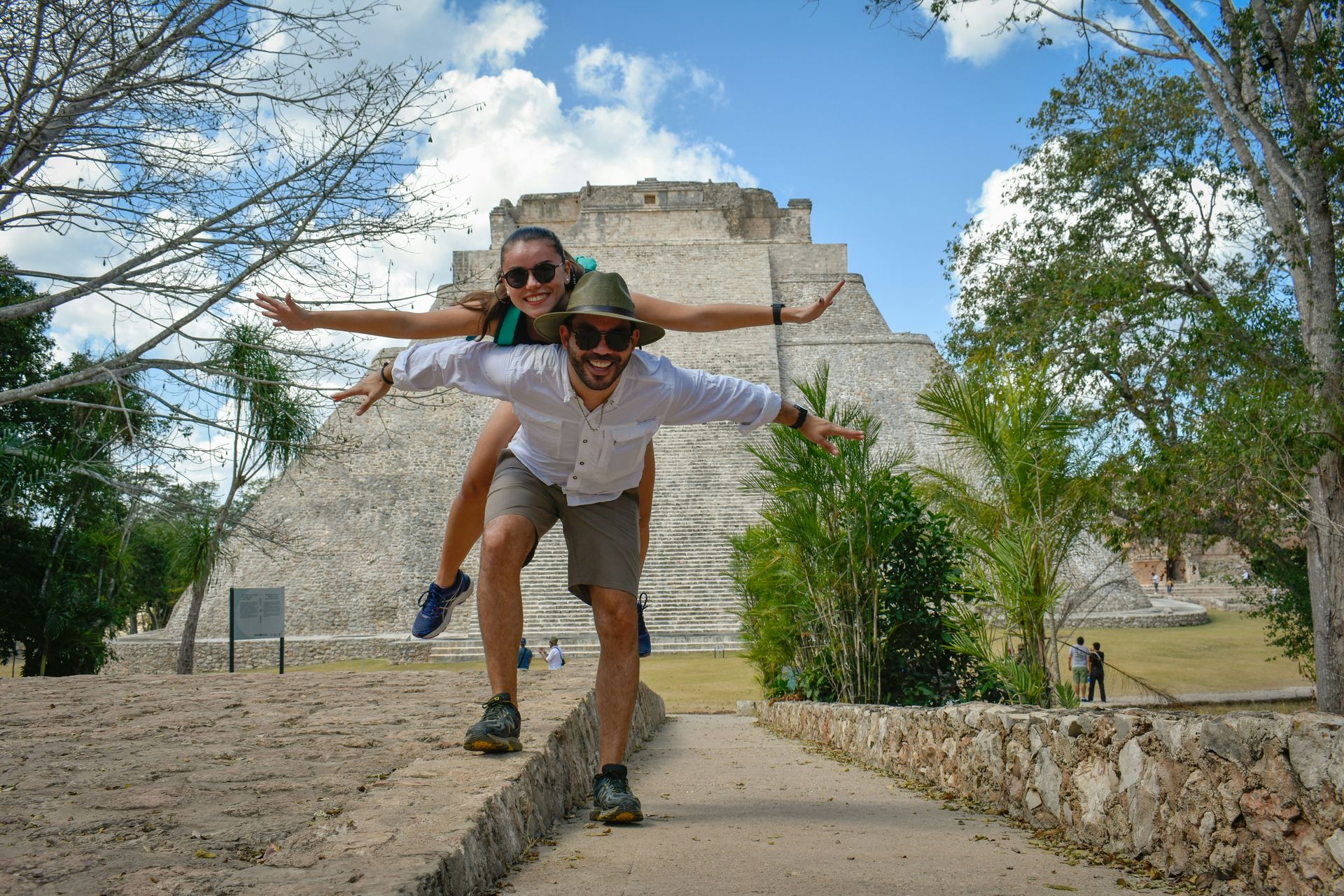
Travel guidebooks shape what is considered worth seeing – often overlooking the lives and perspectives of local communities.

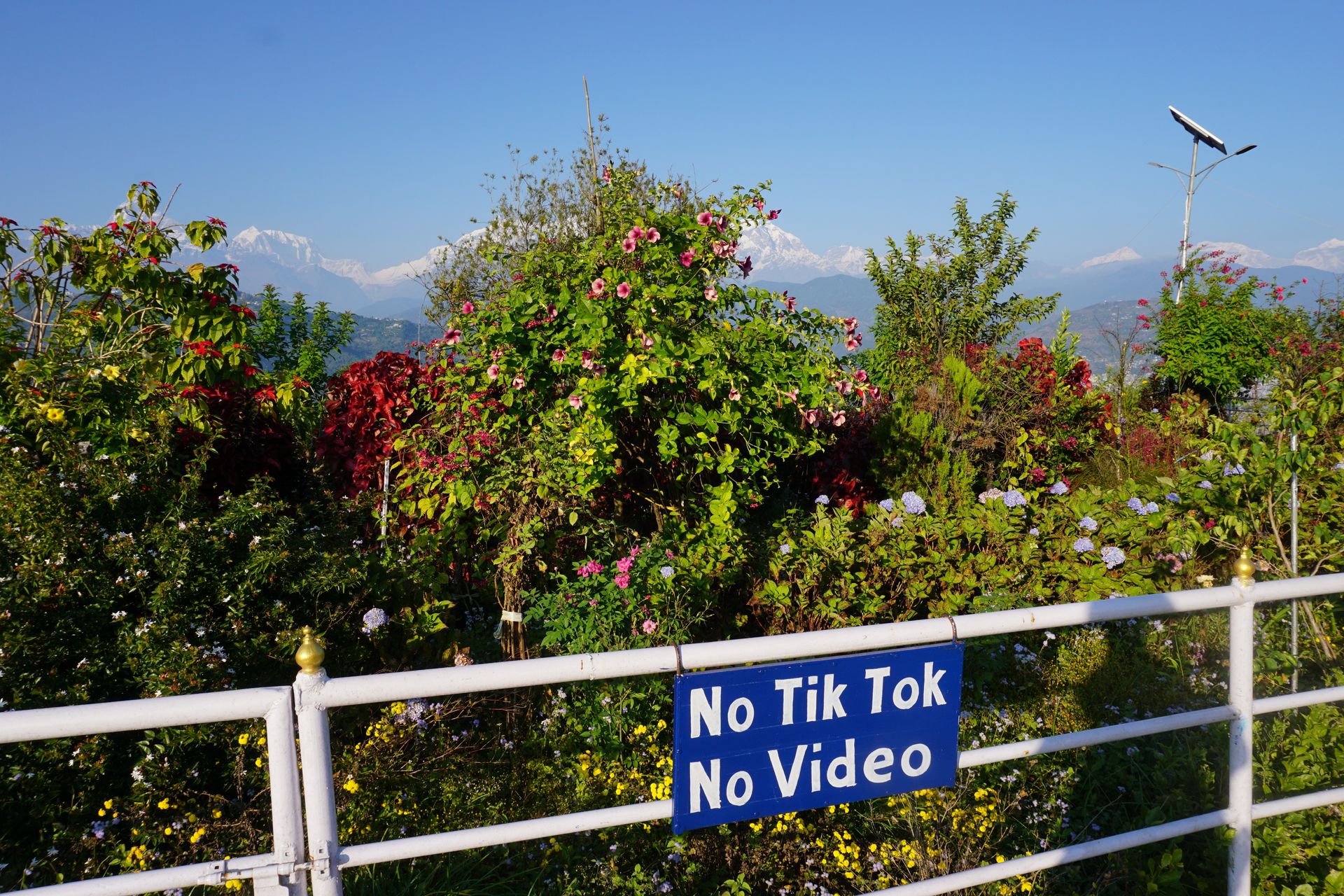
Social media shapes travel decisions, puts destinations in the spotlight, but can also reinforce overtourism and stereotypical portrayals.

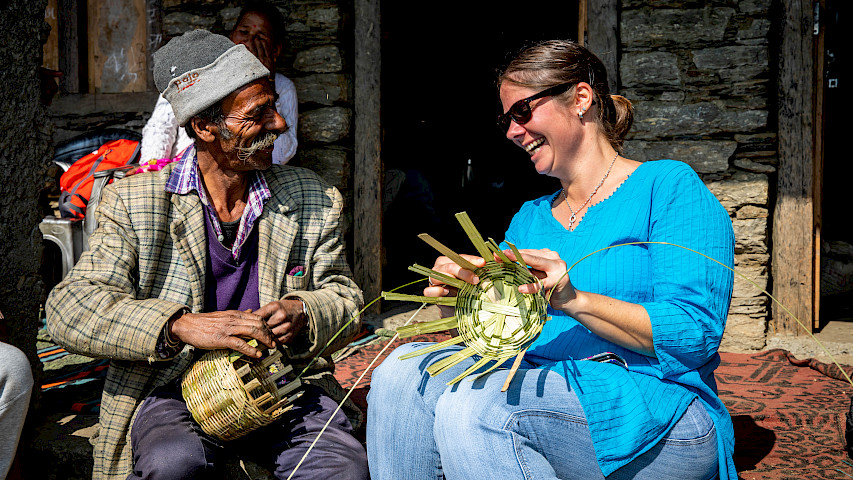
Digital travel guides make it easier to navigate destinations, but local knowledge often becomes accessible only through personal encounters.

Study: Perceptions of home influence how travellers view destinations – and which places they find most attractive.